EU Proposes AI Liability Rules for Enterprise Automation
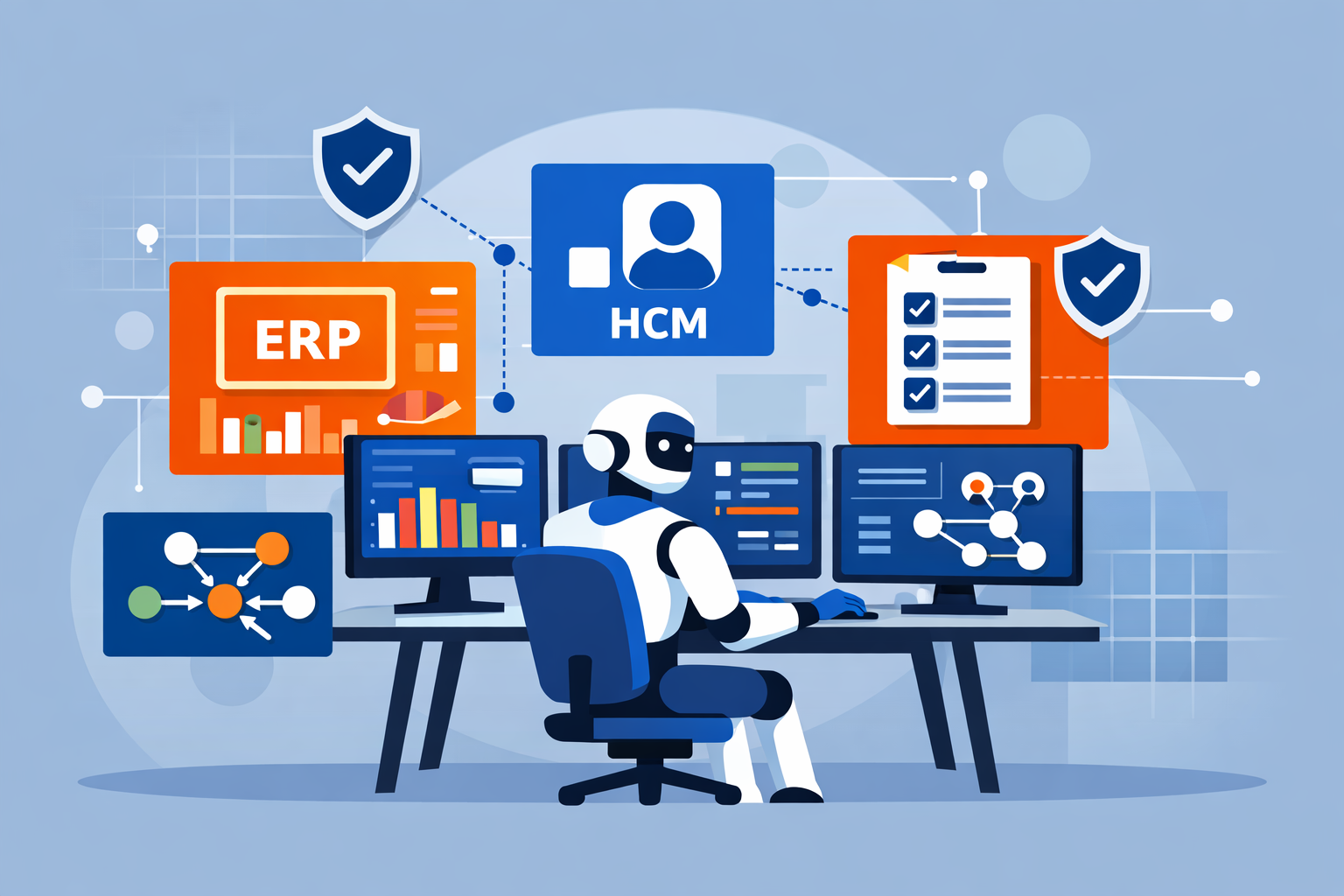
The European Commission issued a proposal on March 13, 2026, to clarify liability for AI-driven enterprise automation, focusing on scenarios where AI agents coordinate multi-system workflows. The proposal mandates documented risk assessments, formal model governance structures, and verifiable explainability for automated decision-making in sectors such as IT service management, finance, and operations within the EU. Multinational firms will be required to upgrade procurement frameworks and implement traceable data lineage to avoid penalties and ensure compliance.
Background
The EU's Artificial Intelligence Act (AI Act) took effect on August 1, 2024, adopting a risk-based approach with obligations matching each system's risk level-from minimal to high risk-and banning certain unacceptable applications. General-purpose AI enforcement begins in August 2025, with full compliance due by August 2026. The AI Act did not address liability directly, leaving gaps in attribution and accountability. In early 2025, the European Commission withdrew its proposal for an AI Liability Directive due to lack of consensus, instead emphasizing the revised Product Liability Directive, which imposes strict liability on AI software not meeting AI Act compliance.
Details
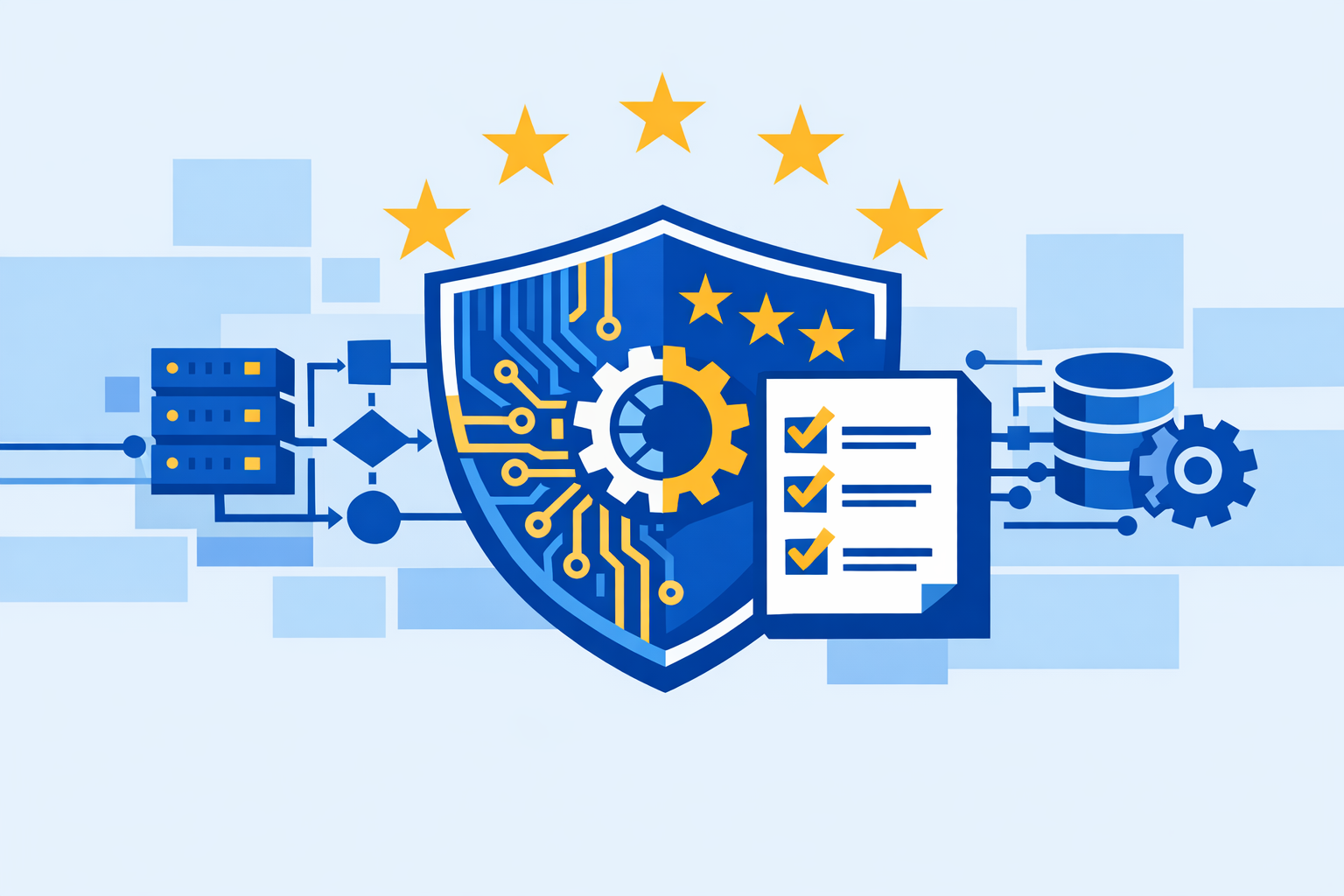
The March 2026 framework targets enterprise automation systems using AI agents to manage workflows across multiple platforms. It requires documented risk assessments to identify and mitigate system failures or decision errors. The proposal imposes governance obligations on AI models, including version control, access audits, and governance committees. It also mandates verifiable explainability, ensuring that automated decisions can be audited and understood. This transparency is expected to drive enterprises to enhance procurement standards and implement end-to-end data lineage systems that track decision inputs through AI workflows. Firms may face penalties similar to those under the AI Act and Product Liability Directive, highlighting the importance of governance and documentation.
Outlook
Member states and the European Parliament will begin co-legislative discussions, focusing on liability scope, thresholds for automated decisions, and the implications for enterprises with cross-border operations. The proposed framework is expected to shape AI governance and compliance strategies among multinational firms operating in the EU.