A growing number of enterprises are deploying autonomous AI workflow agents across critical systems, prompting the emergence of governance frameworks to address associated risks, according to industry experts.
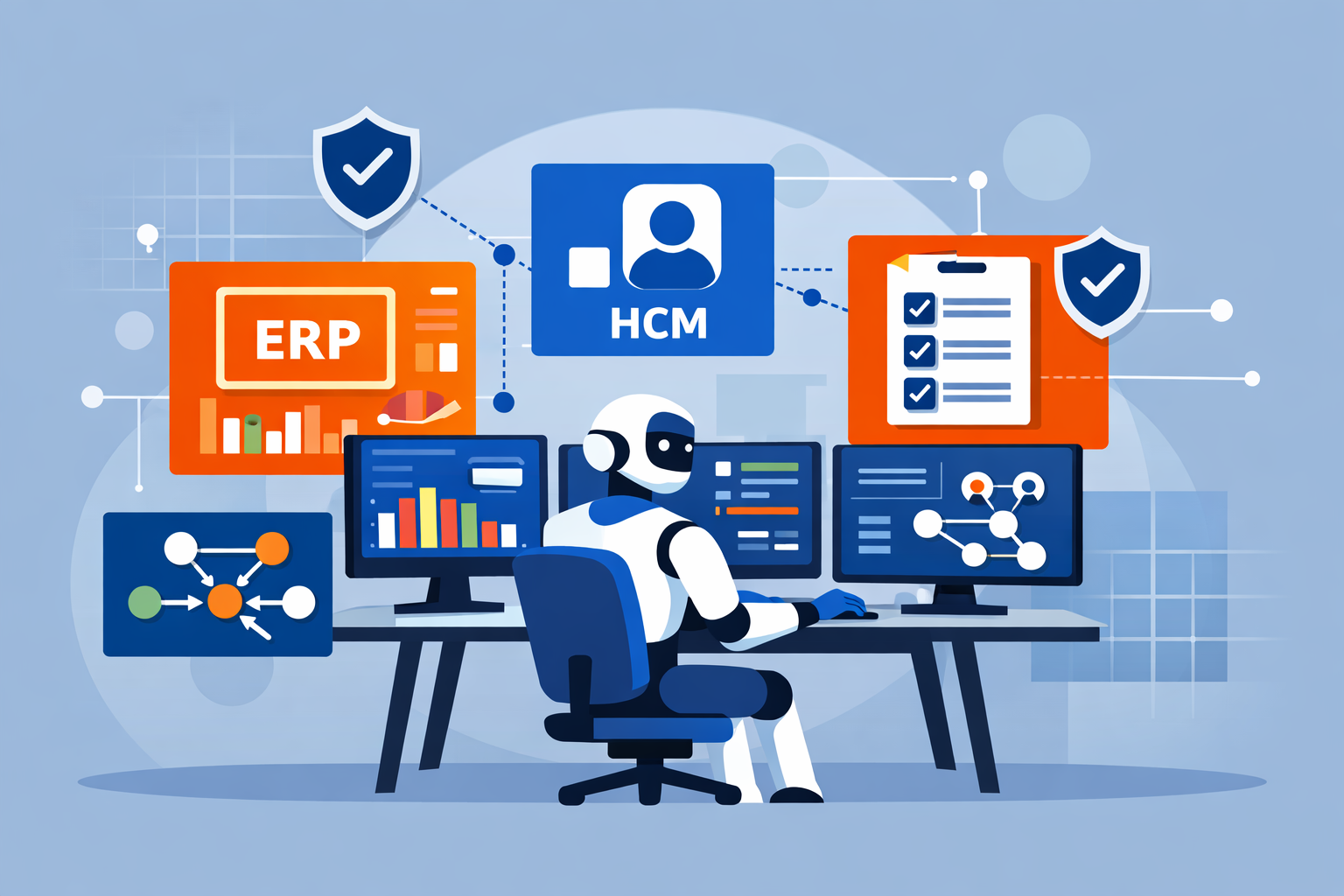
In sectors such as manufacturing, financial services, and healthcare, organizations are leveraging AI agents to orchestrate end-to-end workflows across ERP, CRM, and data platforms in near real time. These agents automate task coordination, monitor outcomes, and escalate anomalies, reducing manual intervention and enhancing operational efficiency. Governance mechanisms-including policy-as-code, auditability, and human oversight-are being introduced to maintain transparency and ensure regulatory compliance.
Background
Autonomous AI agents-often referred to as "agentic process automation"-extend beyond traditional rule-based systems by dynamically planning and adapting workflows across multiple technologies[1]. Adoption rates are rising: a Reddit-based analysis of the Deloitte State of AI Enterprise report found agentic AI deployments increased from 11% to 57% of organizations in less than two years, yet only 20% report having mature governance models[2]. As agent capabilities expand, concerns outlined by analysts such as Gartner are shifting from technical readiness to governance maturity, particularly as regulations like the EU AI Act (effective August 2, 2026) approach[3].
Details
In financial services, generative AI workflow agents-termed Generative Business Process AI Agents (GBPAs)-have reduced processing times by up to 40%, cut error rates by 94%, and improved compliance through embedded risk controls[1]. In manufacturing and healthcare, enterprises are piloting multi-agent orchestration on shared memory layers, a "Governed Memory" architecture that offers high recall, schema enforcement, and precise governance routing[4].
Governance practices are advancing alongside adoption. Policy-as-code is gaining traction, with Kyndryl launching a policy-governed agentic AI framework embedding compliance directly into workflows to ensure deterministic execution, explainability, and audit-by-design logging[5]. Ecosystm notes enterprises are deploying policy sidecars, dynamic permissions, and centralized kill-switches to retain operational control, even in emergencies[6]. N-iX outlines a zoned governance approach, ranging from tightly controlled, high-risk zones to zones with outcome-based autonomy, providing scalable safeguards for agent operations[7].
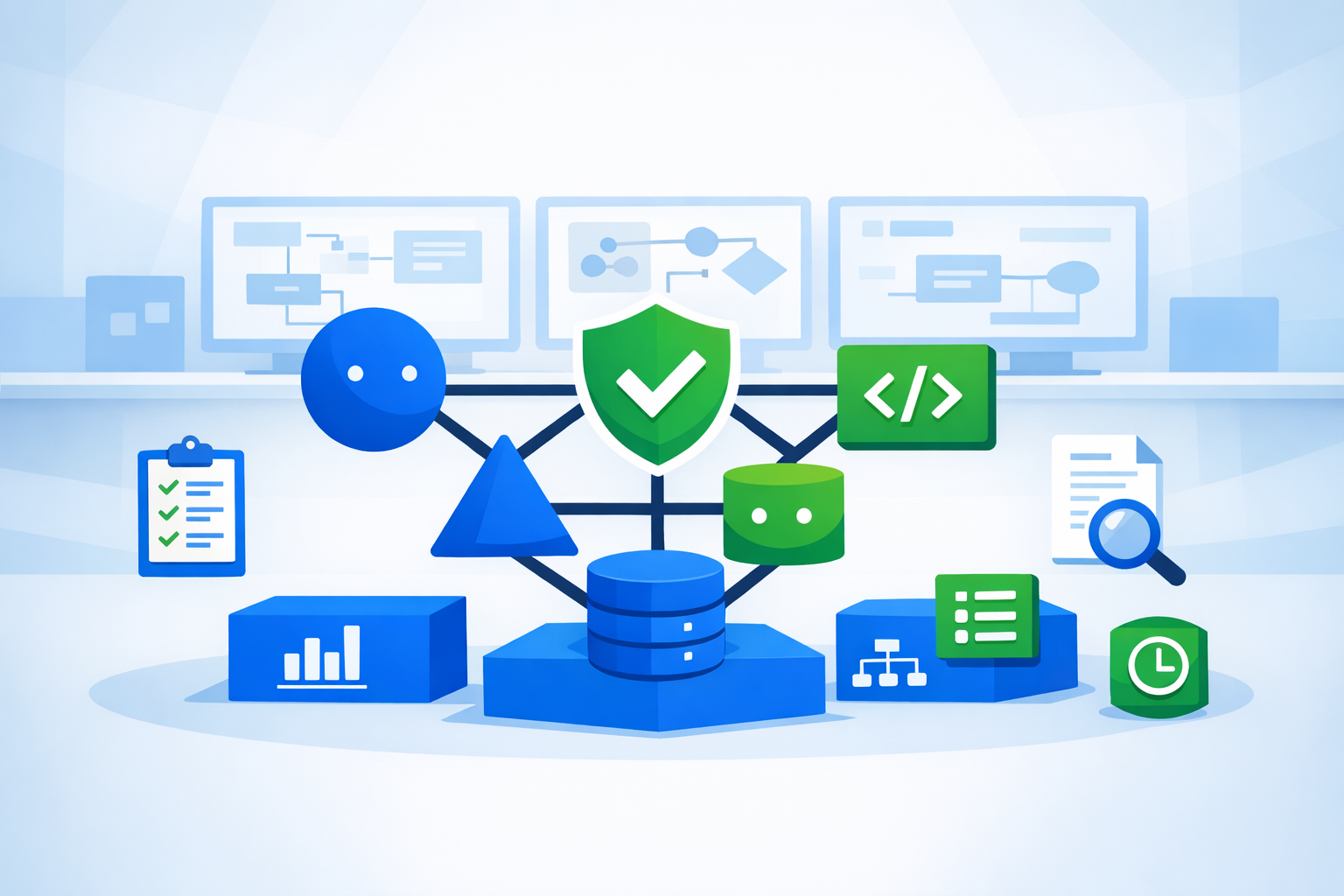
Vendor platforms are embedding layered governance within their offerings. Coretus incorporates role-based access, allowlists, stateful orchestration with retry and checkpoint logic, deterministic verification loops, and immutable audit trails into its autonomous agent infrastructure[8]. Pegasystems' Agentic Process Fabric confines agents to predefined workflows and SLAs, supporting compliance and auditability during runtime[9].
Outlook
As enterprises transition from pilot stages to broad deployment of AI workflow agents, governance frameworks are evolving from static oversight to adaptive control models. Imminent regulatory deadlines, particularly the EU AI Act's August 2026 enforcement date, are driving the adoption of policy-as-code, zoning methods, and advanced observability tools. Future priorities will include integration maturity-ensuring consistent APIs, data catalog compliance, and vendor interoperability-as organizations strive to balance automation benefits with operational integrity and risk management.