Enterprises across manufacturing, healthcare, and financial services are replacing siloed process automations with end-to-end workflow orchestration frameworks that connect ERP, clinical, and customer-facing systems under unified governance controls - a shift analysts say is redefining operational architecture for large organizations.
Background
For most of the past decade, enterprise automation efforts focused on eliminating discrete, repetitive tasks: data entry, invoice processing, and report generation. Those point-solution deployments produced measurable but limited returns and frequently left critical process hand-offs unaddressed between departments or systems.
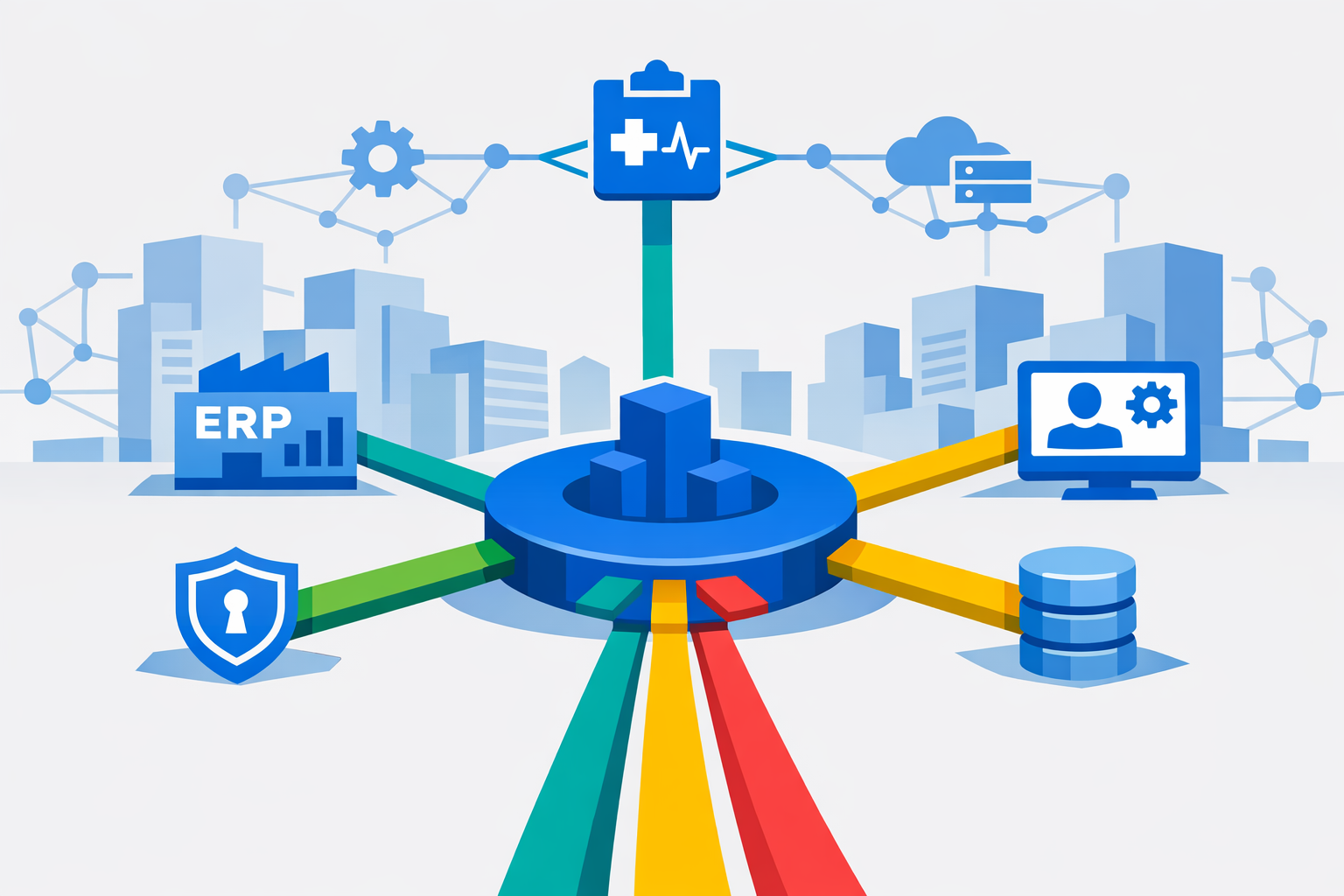
The current shift is structural. Workflow orchestration creates a connected framework where automated tasks interact, follow a logical sequence, and integrate with other systems to achieve end-to-end business processes, according to IBM. Unlike task automation, orchestration coordinates APIs, manages data pipelines across disparate platforms, and enforces business logic spanning organizational boundaries. The global workflow automation market was valued at approximately $23.77 billion in 2025 and is projected to reach $40.77 billion by 2031, at a compound annual growth rate of 9.41%, according to Mordor Intelligence. Vendor responses are accelerating: In 2025, UiPath launched its next-generation automation platform integrating AI agents, software robots, and human workflows, according to market analysts, while ServiceNow introduced generative AI capabilities to enhance workflow intelligence and Microsoft embedded Copilot into Power Automate.
Details
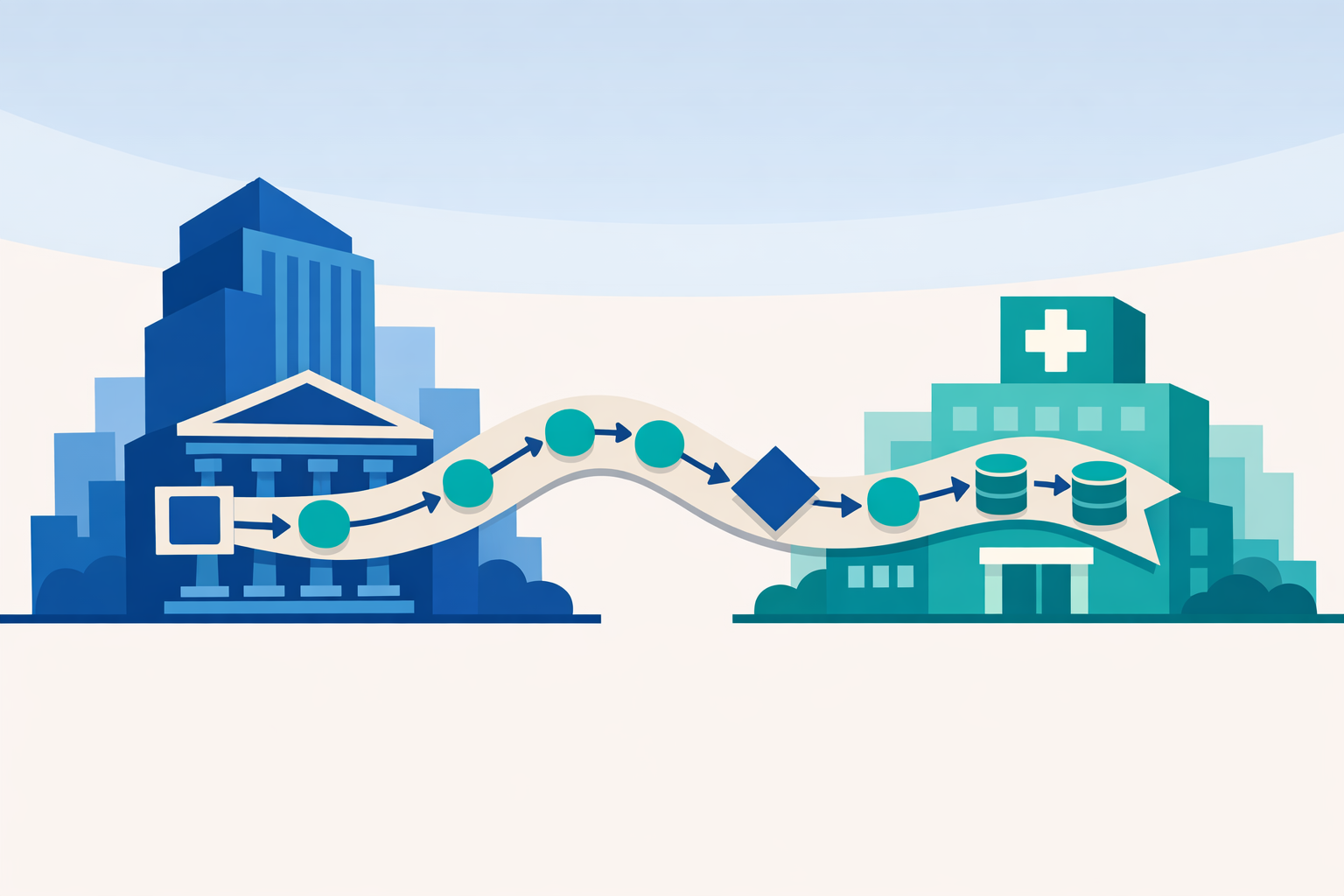
Sector-specific pressures are driving differentiated adoption patterns. In financial services, banking and financial services retained a 23.62% revenue share of the workflow automation market in 2025, according to Mordor Intelligence, reflecting high transaction volumes and stringent compliance requirements. Institutions are deploying orchestration for anti-money-laundering investigations, loan disbursements, and straight-through settlements. Preparation for the EU Digital Operational Resilience Act (DORA) is commanding additional spend on continuity orchestration, cyber-event playbooks, and supplier-risk dashboards, Mordor Intelligence reported.
In healthcare, the workflow automation segment for healthcare and pharmaceuticals is advancing at an 11.22% CAGR - the fastest of any vertical - as electronic health record mandates and clinical trial digitization intensify, according to Mordor Intelligence. Orchestration platforms coordinate patient data across EHR systems, laboratory platforms, and billing infrastructure, with prior-authorization automation and pharmacovigilance reporting reducing clinician administrative burden. The global healthcare automation market was projected to grow from $72.6 billion in 2024 to $80.3 billion in 2025, according to CSI Companies.
In manufacturing, enterprises are integrating workflow engines with IoT sensors and quality-management systems to streamline shop-floor decisions, Mordor Intelligence noted. Edge orchestration deployments enable real-time processing of sensor data to trigger maintenance or safety shutdowns without cloud round-trips - a requirement in environments governed by safety standards such as IEC 61508.
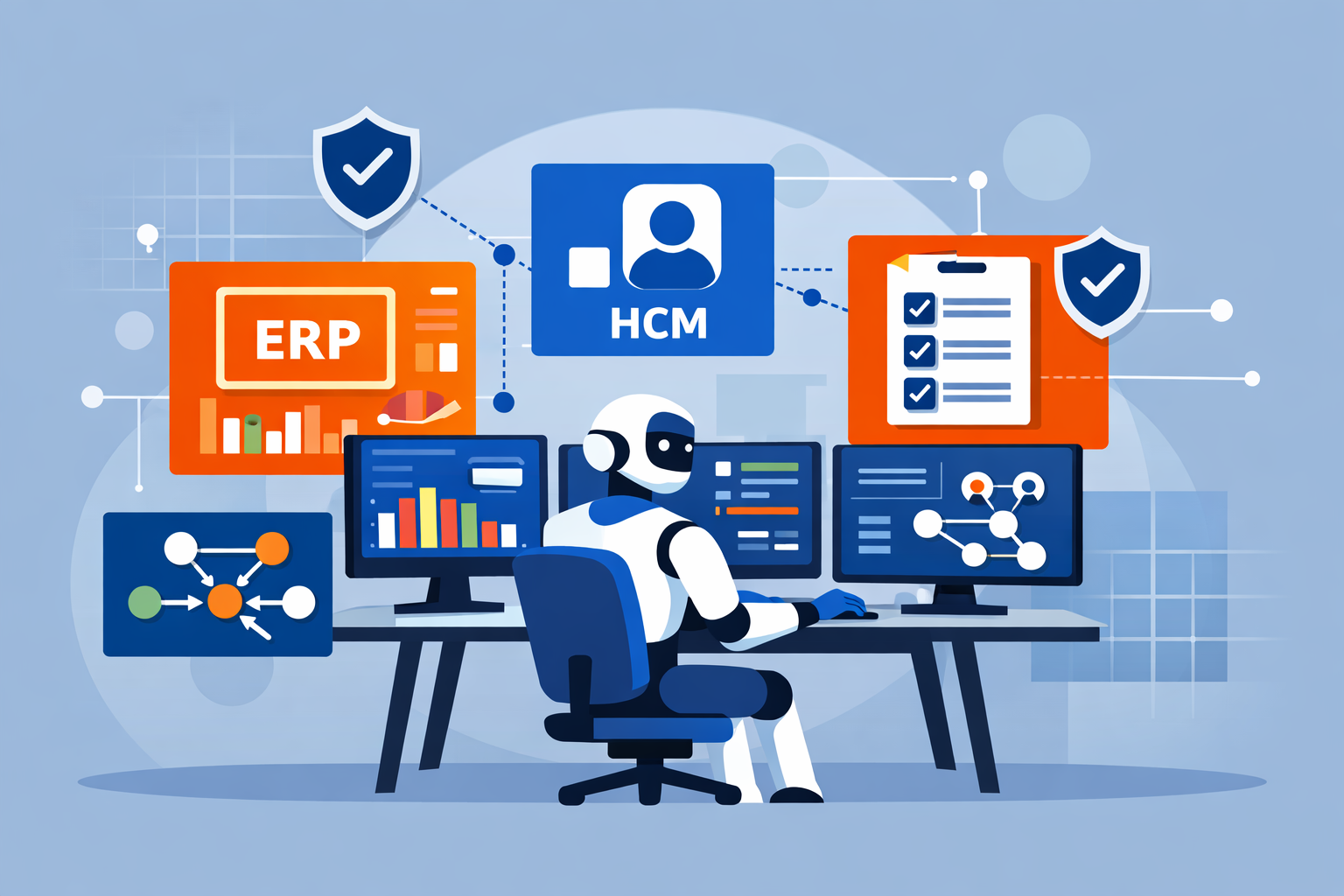
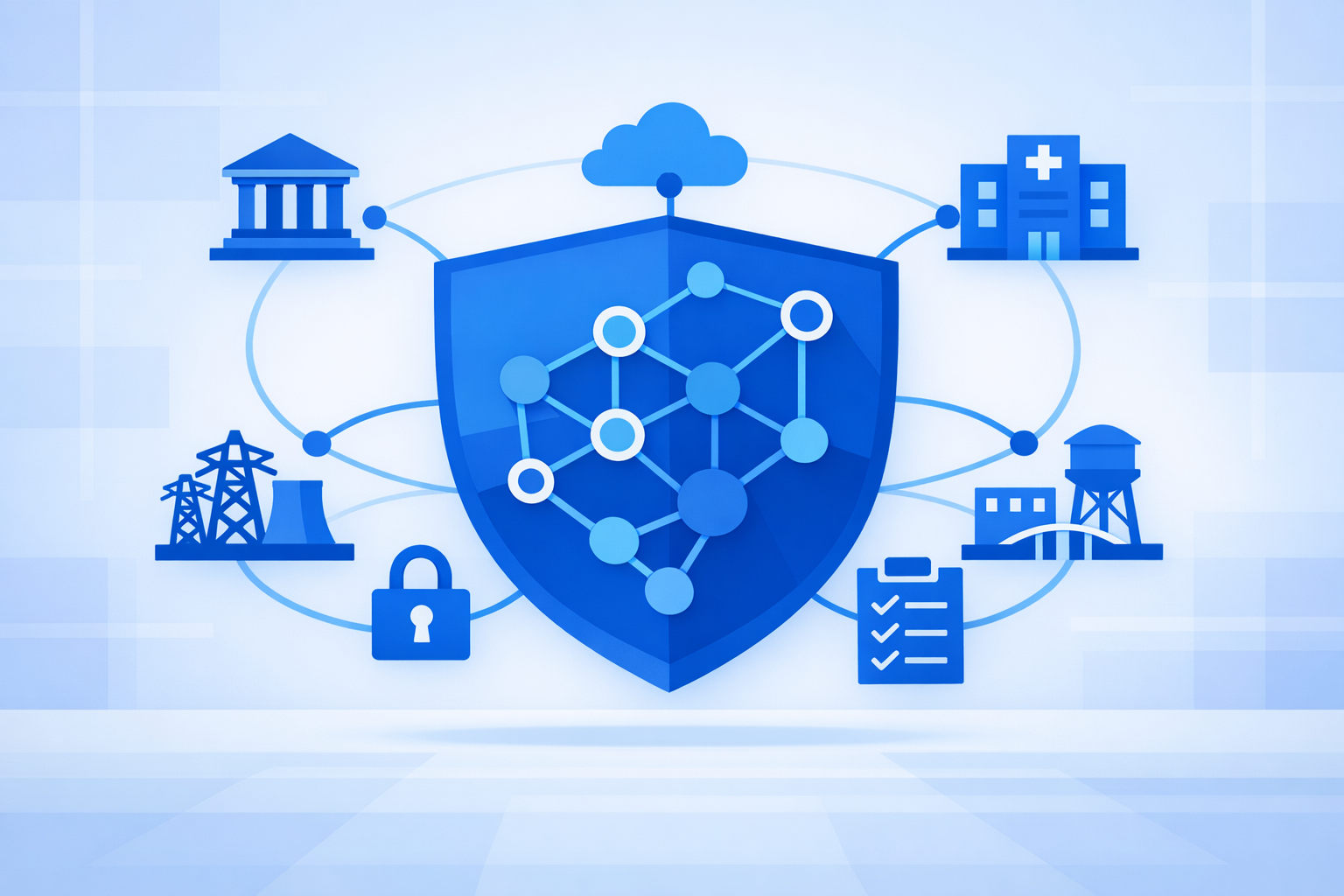
Across all three sectors, governance architecture has become a central procurement consideration. Implementing strong governance through role-based access control (RBAC), audit trails, and policy enforcement is especially critical in regulated industries, where workflows must comply with security, data, and operational standards, according to ManageEngine. Analysts and practitioners note that organizations lacking enterprise-wide governance frameworks risk fragmentation: departmental teams deploy orchestration independently, generating inconsistent data provenance records and access control gaps that expose firms to regulatory liability.
The technology stack is also evolving. Modern orchestration tools use AI, machine learning, and low-code development environments that integrate with CRM, ERP, and cloud services, IBM noted. Agentic AI - systems capable of pursuing multi-step goals autonomously - is being layered into orchestration architecture, with McKinsey research indicating enterprises that deploy workflow automation at scale reduce process operating costs by 40-75% and free up to 20% of employee time for higher-value work.
Outlook
The central governance challenge ahead is aligning departmental autonomy with enterprise-wide orchestration standards. Avoiding fragmented, tool-specific automation by adopting standardized frameworks, templates, and platforms ensures consistency, reduces duplication, and makes workflows easier to manage, scale, and audit across teams, according to ManageEngine. Cloud-hosted workflow automation offerings generated 62.15% of revenue in 2025, while hybrid approaches are gaining traction amid tightening data-sovereignty requirements from regulators, Mordor Intelligence reported. Regulatory timelines - particularly DORA in financial services and evolving data localization rules in healthcare - are expected to accelerate demand for orchestration platforms with built-in compliance controls through 2026 and beyond.