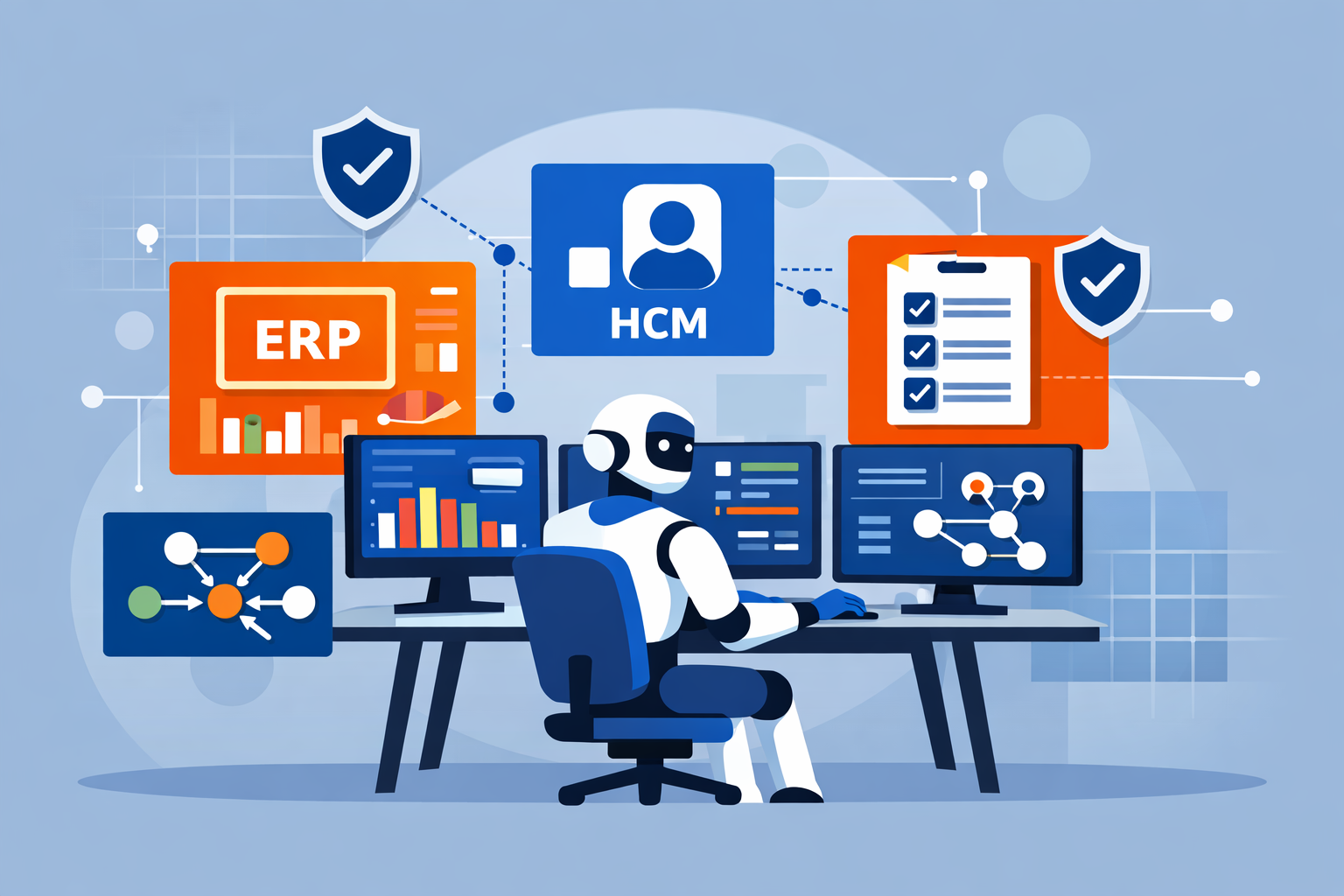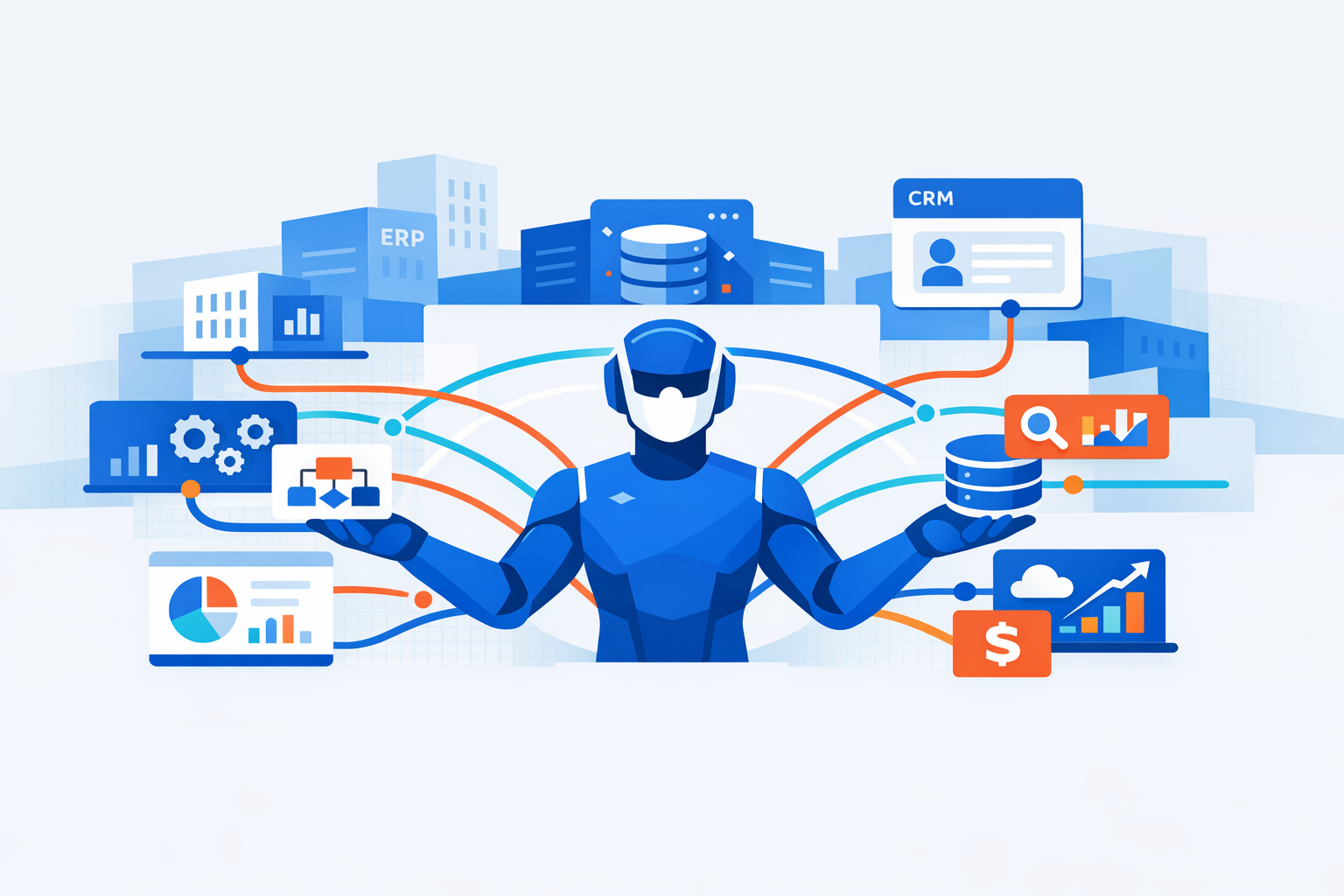
Eight in ten enterprises today report measurable economic returns from AI workflow agents, marking a shift toward agentic automation for cross-platform orchestration. This is according to a recent Anthropic survey of over 500 technical leaders. 80% of organizations now report measurable economic returns from AI agent investments The trend reflects a growing use of centralized orchestration layers that govern AI agents operating across ERP, CRM, data platforms, and collaboration tools, supporting governance, reliability, and integration. {{cite:}}
Background
Enterprises have advanced from AI automation pilots to disciplined, production-grade deployments. AI agents now automate multi-stage workflows across business systems, spanning enterprise domains. Past obstacles included integration challenges, governance complexity, and unclear ROI, prompting a move toward unified orchestration frameworks, often known as AI studios or command centers. {{cite:}}
Details
Anthropic's survey indicates that 57% of organizations use agents for multi-stage workflows, and 16% deploy them across functional teams. Reported use cases include software development (90% for assistance, 86% in production code), internal process automation (48%), and data analytics and reporting (60%). {{cite:}} Effective deployments rely on orchestration platforms offering visual workflow composition, API-based tool integration, unified dashboards, and governance enforcement. PwC describes these orchestration layers as enabling real-time data integration, vendor-agnostic AI management, and centralized security. {{cite:}}
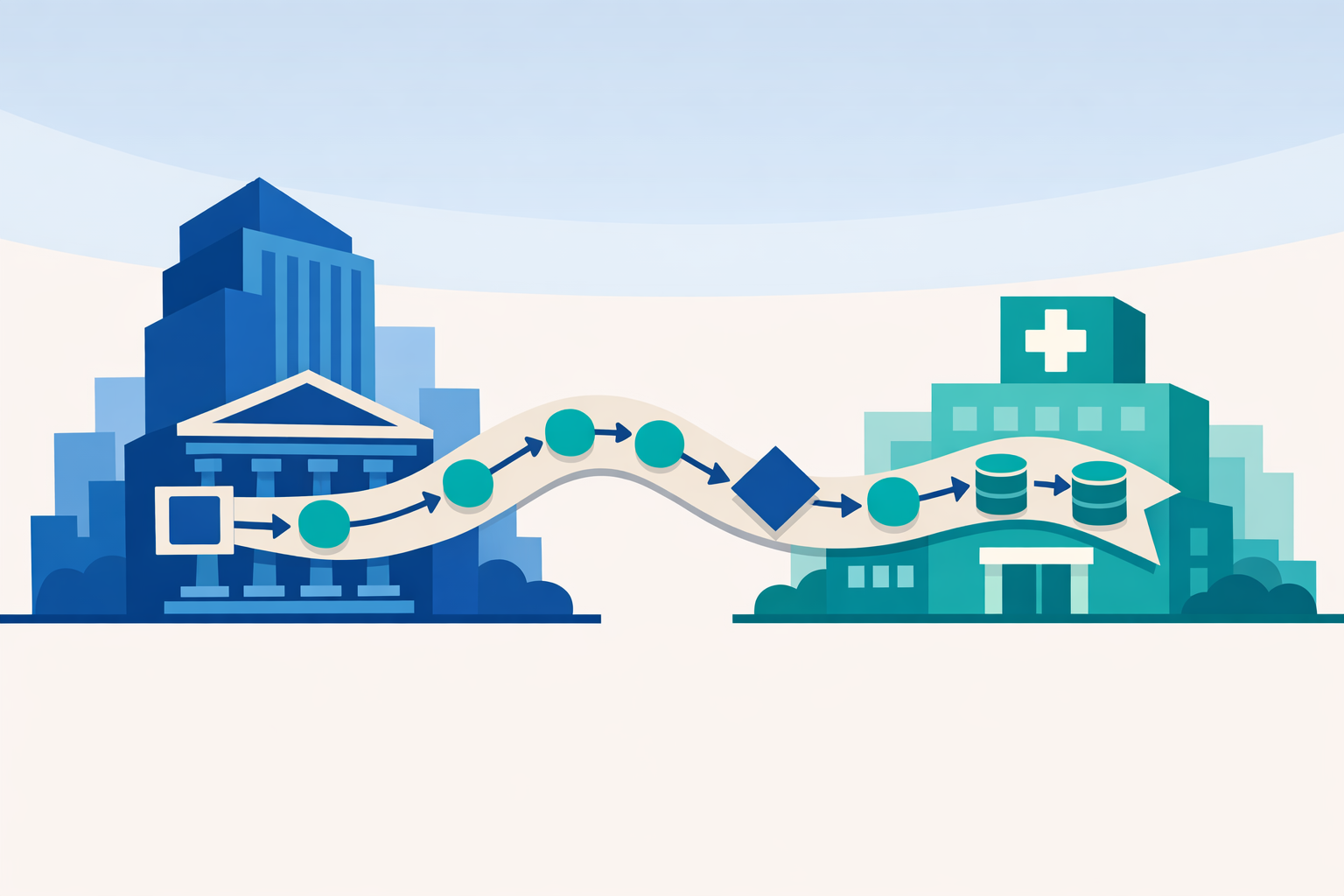
Case studies report significant efficiencies. Across industries, AI workflow automation has yielded 25-30% productivity gains, up to 60% reductions in manual processing costs, 40-75% fewer errors, and 50% faster task completion. {{cite:}} In manufacturing, a Fortune 500 firm saved $2.3 million annually, achieving a 300% ROI in eight months and a 75% efficiency increase through AI automation. {{cite:}} In insurance, AI agents integrated with process mining reduced time-to-value and error rates while maintaining compliance. {{cite:turn0academia13}}
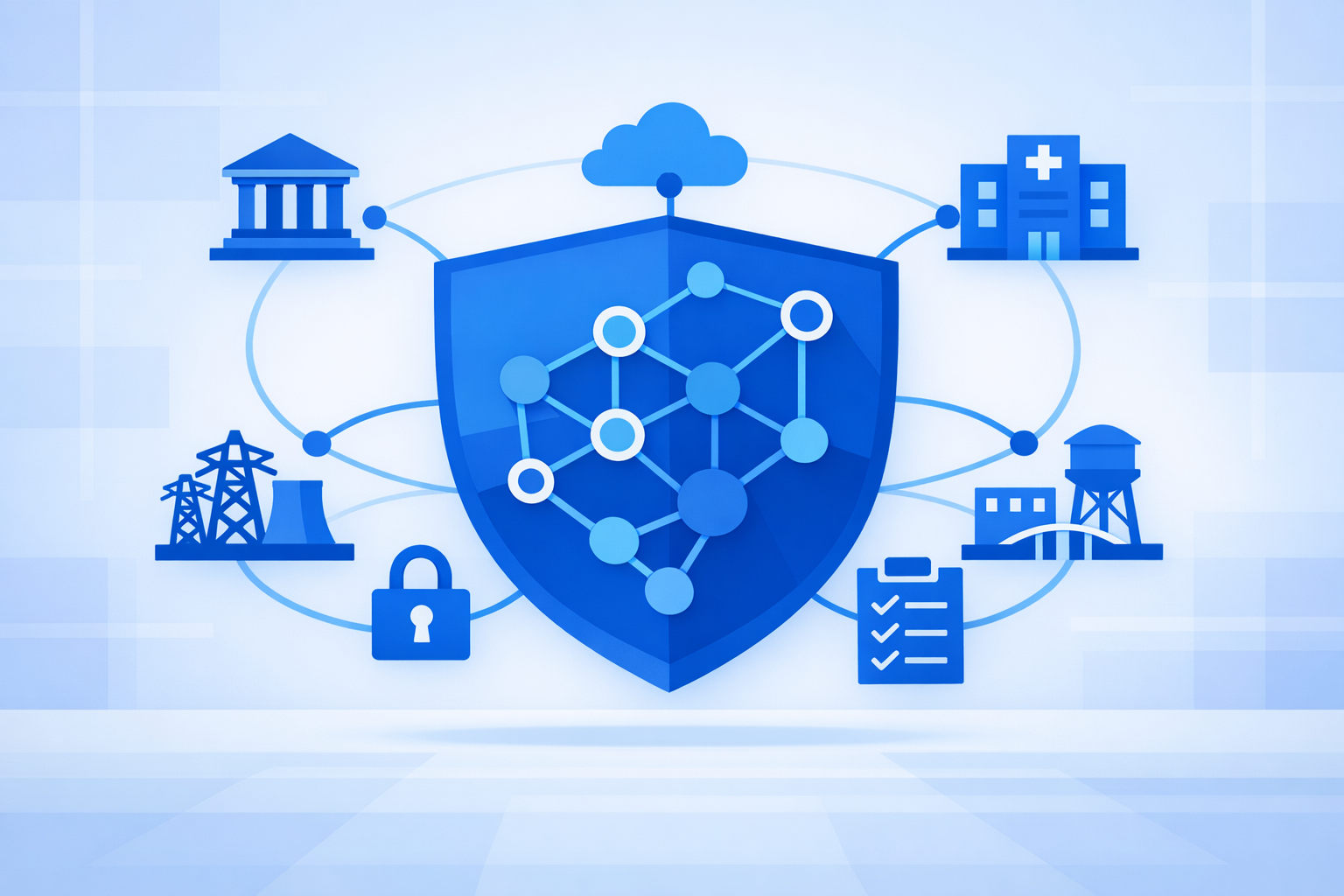
Governance remains crucial. Only 27% of organizations trust fully autonomous agents, and 32% have formal AI governance programs. Integration compatibility and platform trust are prioritized when selecting agent platforms. Enterprises invest in oversight mechanisms such as immutable audit logs and access metering. {{cite:}} {{cite:}}
Outlook
By 2026, enterprises are expected to expand AI agent adoption beyond pilot initiatives, targeting domains including finance operations, IT service, onboarding, and reconciliation. The pace of adoption will depend on robust governance, trusted integrations, and clear cost-benefit metrics, supporting enterprise-wide workflow automation with demonstrable ROI. {{cite:}}