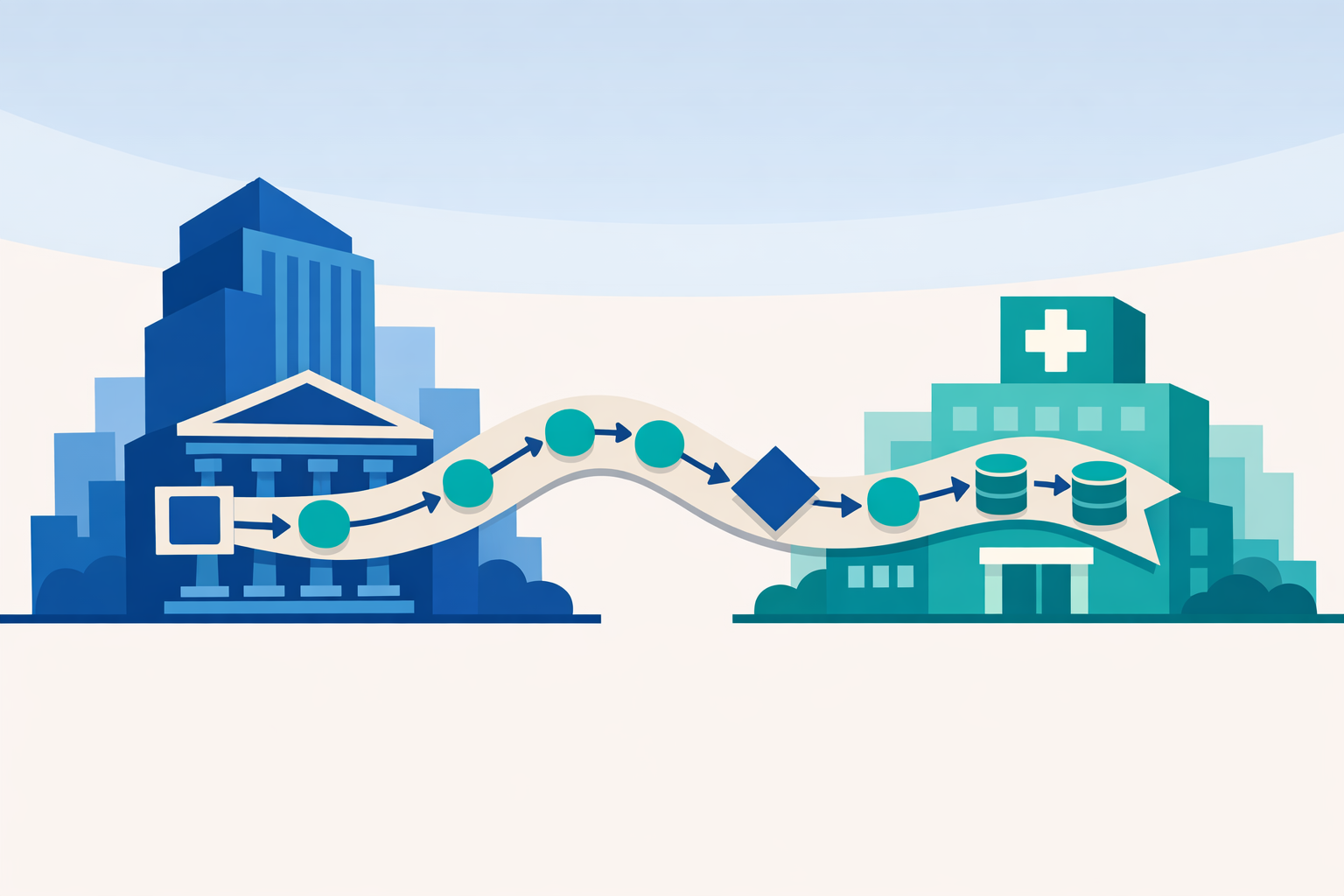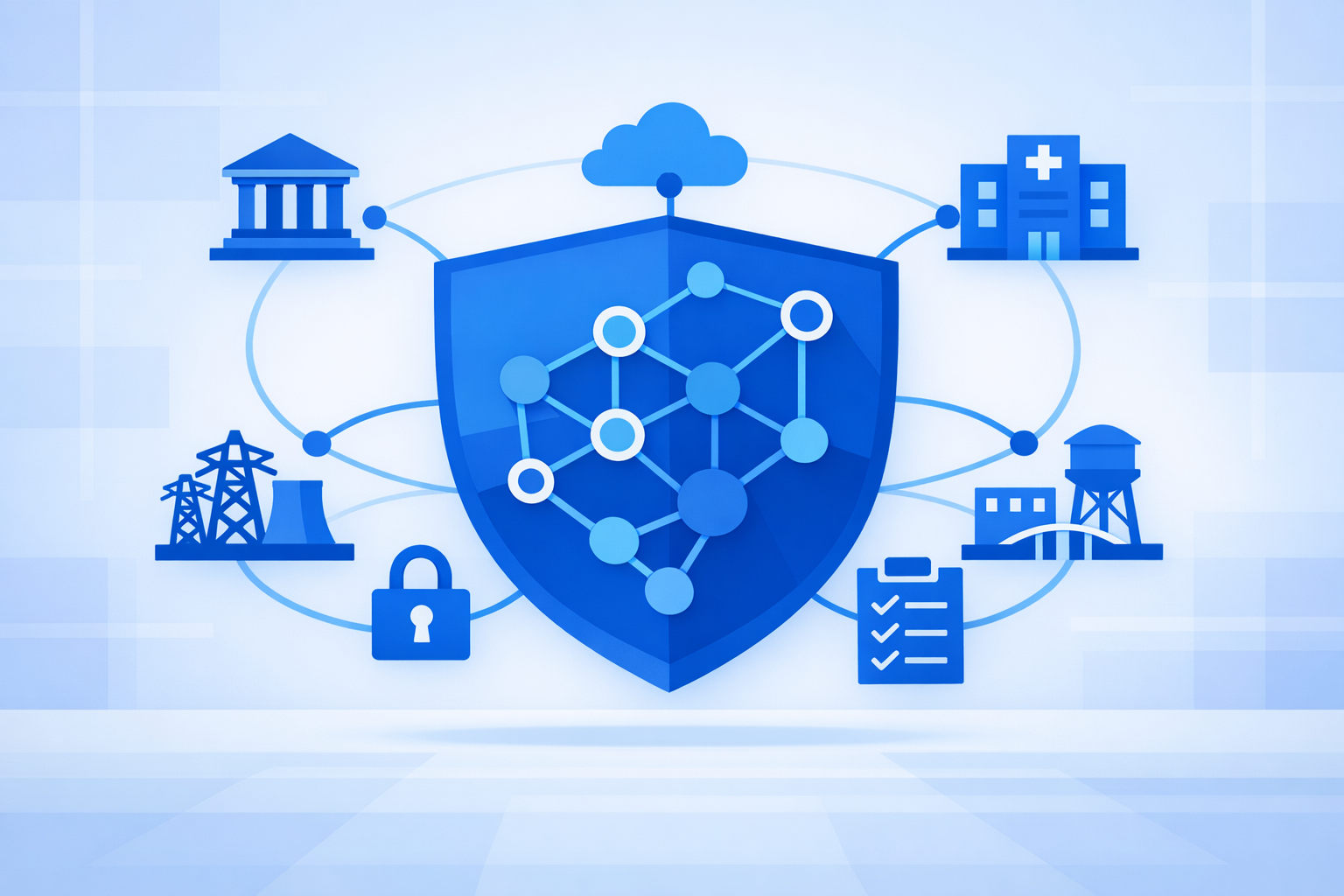
Global enterprises are moving to institutionalize governance over no-code and low-code automation platforms as deployment volumes outpace ad hoc oversight, compelling IT and compliance leaders to establish auditable, enterprise-wide frameworks for process orchestration. The shift marks a departure from isolated automation pilots toward governed, end-to-end workflow management spanning finance, manufacturing, and healthcare. Regulatory pressure-including data provenance requirements under GDPR, HIPAA, and SOX-is driving urgency, as unaudited citizen-developed workflows increasingly expose firms to compliance risk.
Background
The global workflow automation market was valued at $24.61 billion in 2025 and is projected to reach $53.13 billion by 2033, growing at a CAGR of 10.1%, according to SkyQuest. Adoption has accelerated sharply at the enterprise level: Gartner data from 2024 indicates that 70% of new enterprise applications built in 2025 used no-code or low-code technologies, up from fewer than 25% in 2020. Large enterprises accounted for 71% of workflow automation market revenue in 2025, with deployments spanning finance, HR, IT service management, and customer experience platforms, according to Mordor Intelligence.
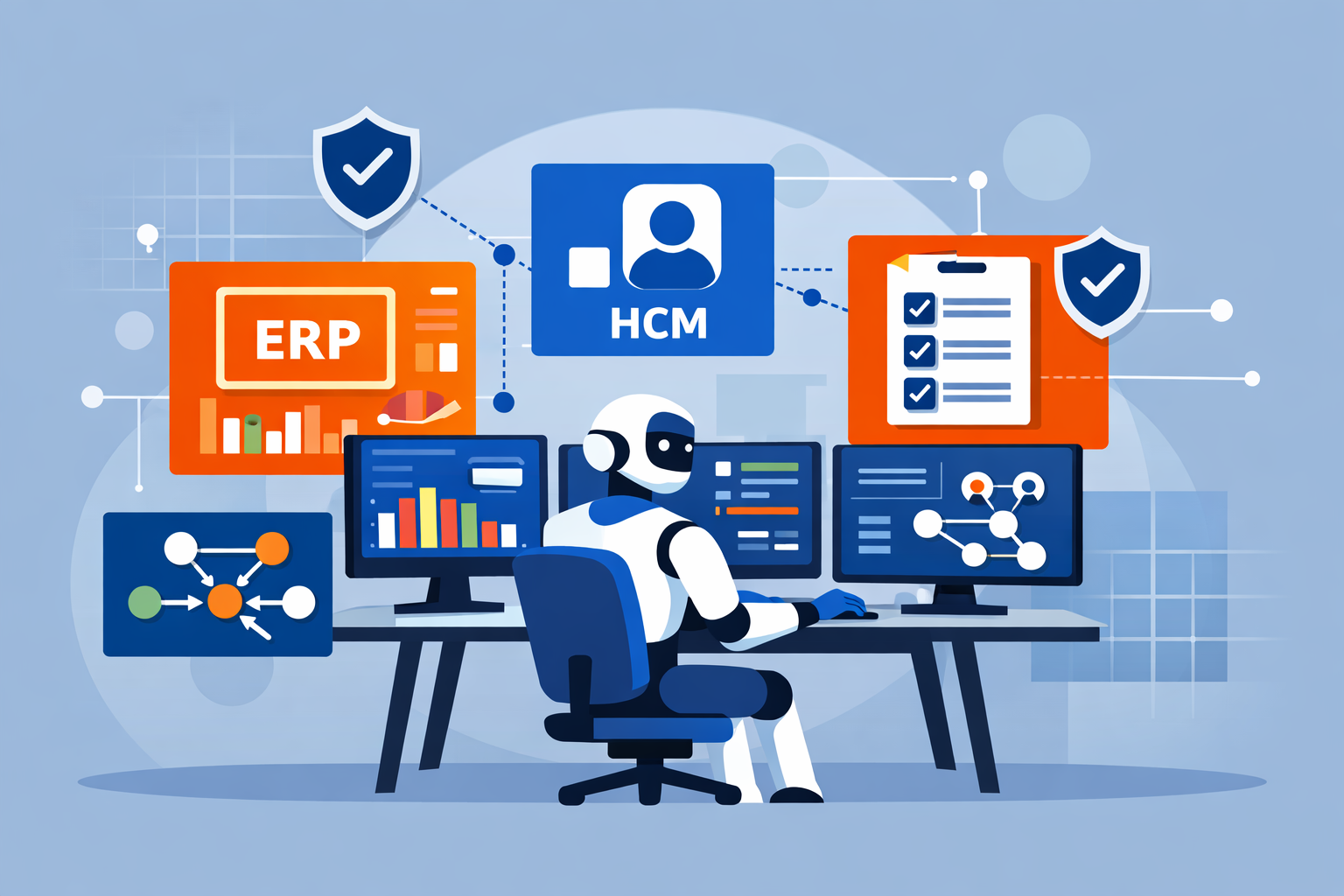
The rapid expansion of citizen development-where non-technical staff build and deploy business workflows without IT involvement-has surfaced a structural governance problem. According to Gartner, approximately 41% of employees now function as business technologists, building or customizing technology capabilities outside the IT department. As these users multiply, IT departments are losing visibility into which workflows exist, who owns them, and how sensitive data flows through them.
Details
The governance gap is measurable. According to CloudEagle.ai research, 63% of enterprises currently lack a shadow AI and automation policy, leaving large portions of their process estate ungoverned. Separately, analysis cited by SoftwareSeni found that only 38% of organizations maintain a comprehensive inventory of their AI and automation assets. The consequences are concrete: shadow automation tools operating without audit trails create compliance exposure under data protection regulations and internal audit standards.
Enterprise IT teams cite the inability to audit, secure, or disable citizen-built workflows as the primary concern-not the fact that business teams build them, according to platform documentation from Kissflow. The risk compounds when staff depart, leaving orphaned automations with persistent data access permissions.
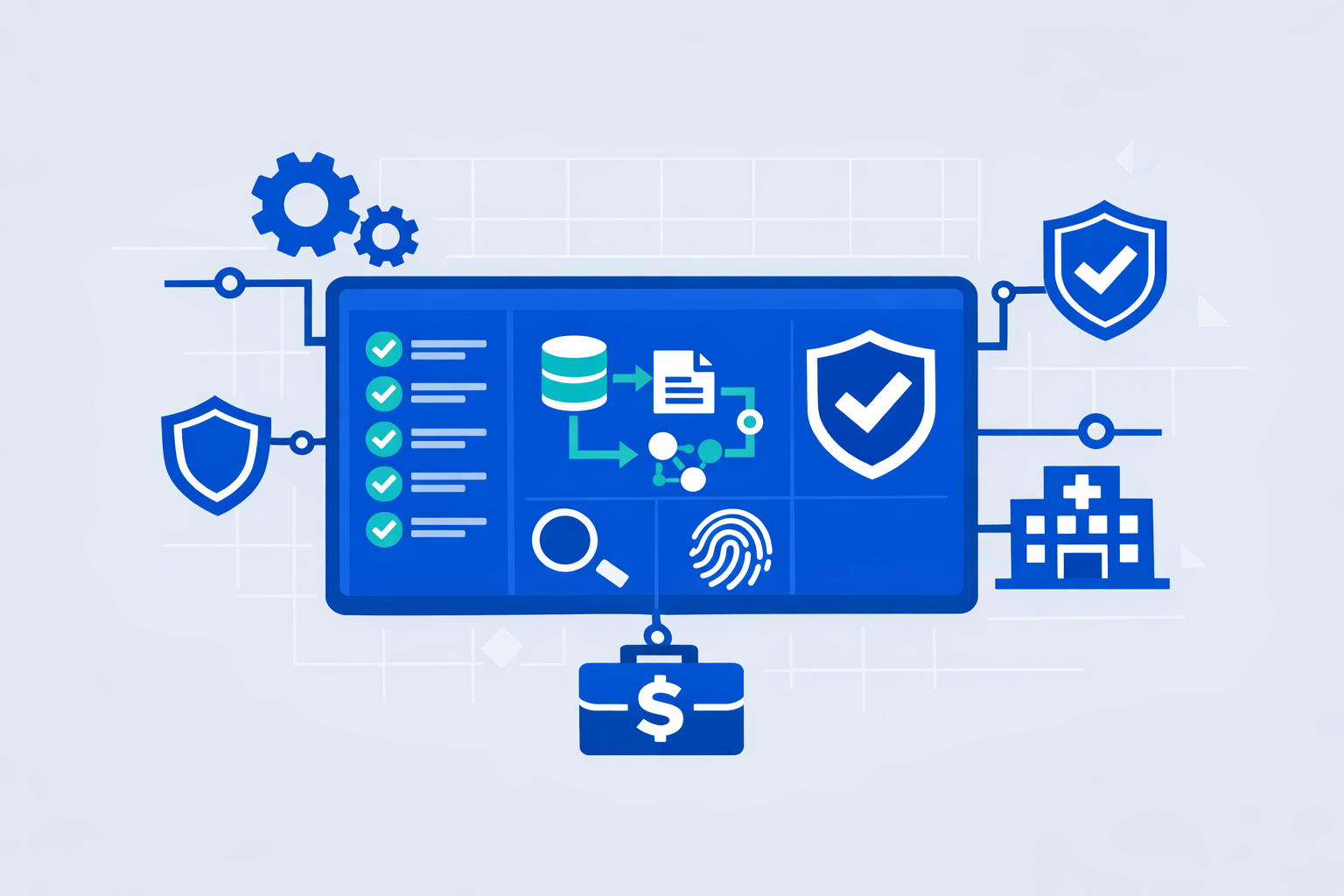
Leading platforms are responding with centralized governance consoles that give IT teams unified visibility over workflow data handling, access permissions, integration credentials, and audit logs. According to Mordor Intelligence, large enterprises are now deploying no-code automation within multi-year roadmaps and center-of-excellence governance structures that enforce encryption, data-loss-prevention controls, and rollback capabilities. In regulated sectors, financial institutions have begun implementing end-to-end onboarding and approval workflows designed to satisfy SOX and Dodd-Frank requirements, according to Mordor Intelligence data from 2025.
Compliance-driven automation is also reshaping the European market. According to SkyQuest analysis, European enterprises-particularly in manufacturing, financial services, and the public sector-are adopting workflow automation specifically to enhance operational transparency and satisfy regulatory reporting obligations. The EU AI Act, which introduces documentation and traceability requirements for automated decision-making systems, is accelerating the formalization of process ownership and decision logs across the continent.
Forrester research indicates that organizations using low-code tools automate three times more processes in year two than year one once early wins fund expansion, creating compounding governance complexity. Platform vendors are beginning to embed AI-guided governance recommendations, flagging high-risk workflows for review and auto-generating integration metadata to support audit documentation.
Outlook
Gartner predicts 30% of enterprises will have automated more than half of their core operations by 2026, a threshold at which ungoverned automation represents material operational and compliance risk. The vendor market is consolidating around platforms that combine citizen development tooling with IT-grade governance-a capability pairing that Gartner analysts have categorized within a growing segment called Service Orchestration and Automation Platforms (SOAPs). The SOAP market is expected to grow to an estimated $4.9 billion by 2028 at a CAGR of 7.7%, according to Gartner. Enterprises that fail to establish centralized process registries, ownership assignment, and audit trail infrastructure before reaching high automation density face the greatest exposure as regulators expand documentation mandates for automated business decisions.