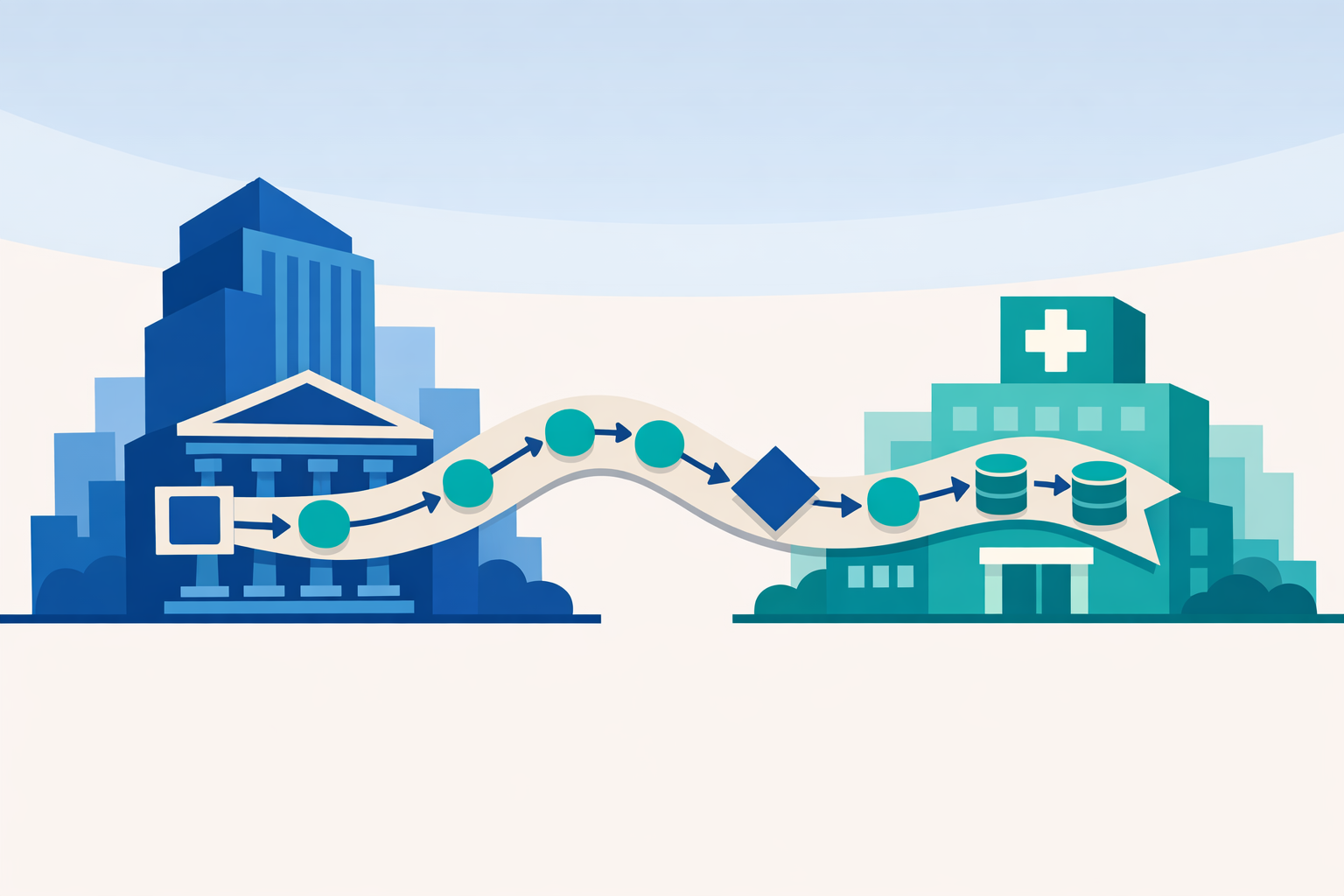
Enterprise software vendors are embedding no-code AI agent builders directly into ERP and HCM platforms, accelerating deployments that regulators and IT governance teams are not yet equipped to audit or control. The convergence of autonomous agent capabilities, cross-platform interoperability mandates, and advancing AI legislation is opening a critical gap between how quickly business users can build agents and how thoroughly IT and compliance teams can govern them.
Background
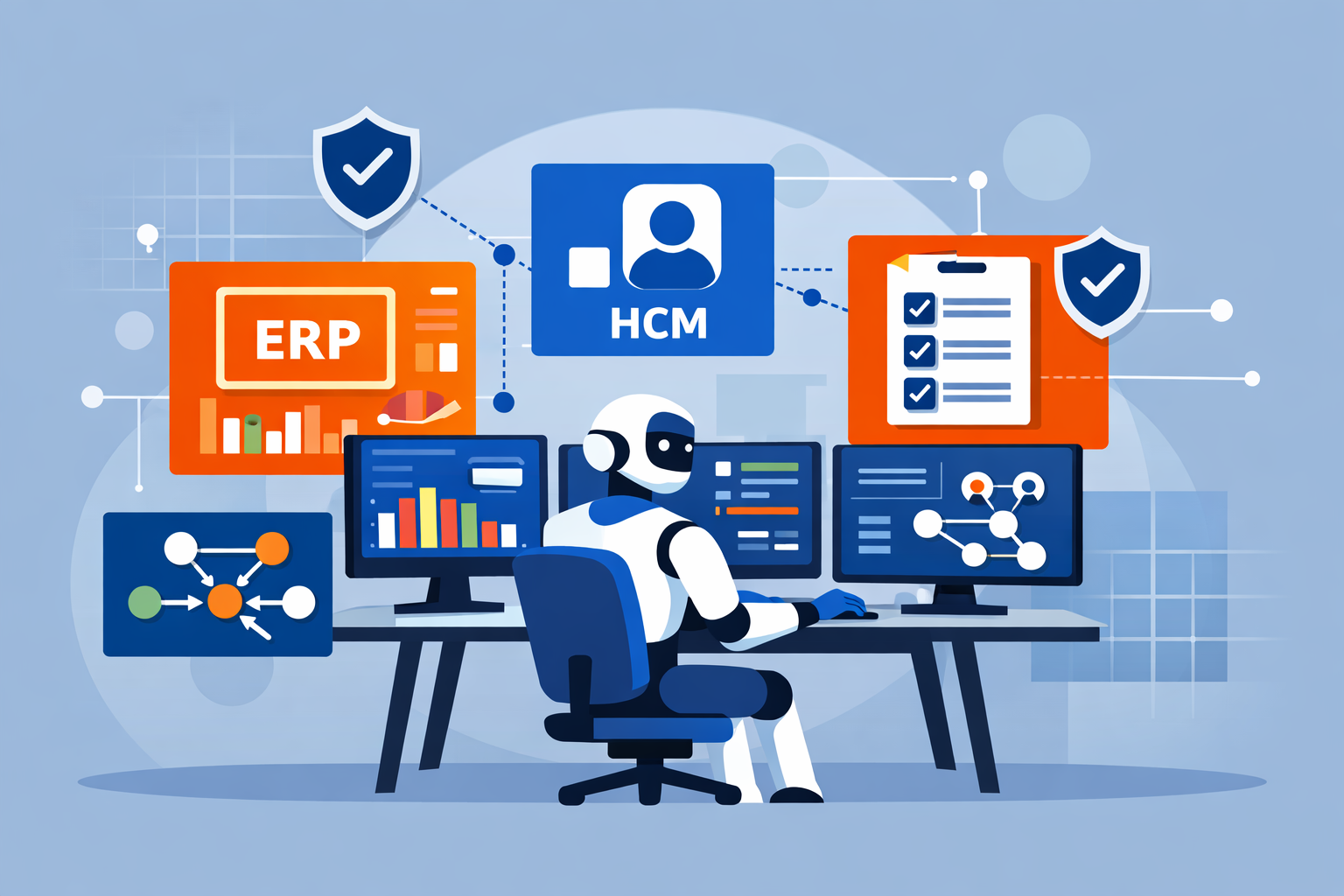
Pressure on ERP and HCM platforms to deliver embedded AI has intensified over the past 18 months. AI agents are evolving into full-fledged digital coworkers, forcing buyers to rethink workforce planning, governance, and technology stacks. By 2026, leading HCM platforms are expected to add features that manage digital employees-AI agents-capable of executing complex tasks across multiple systems.
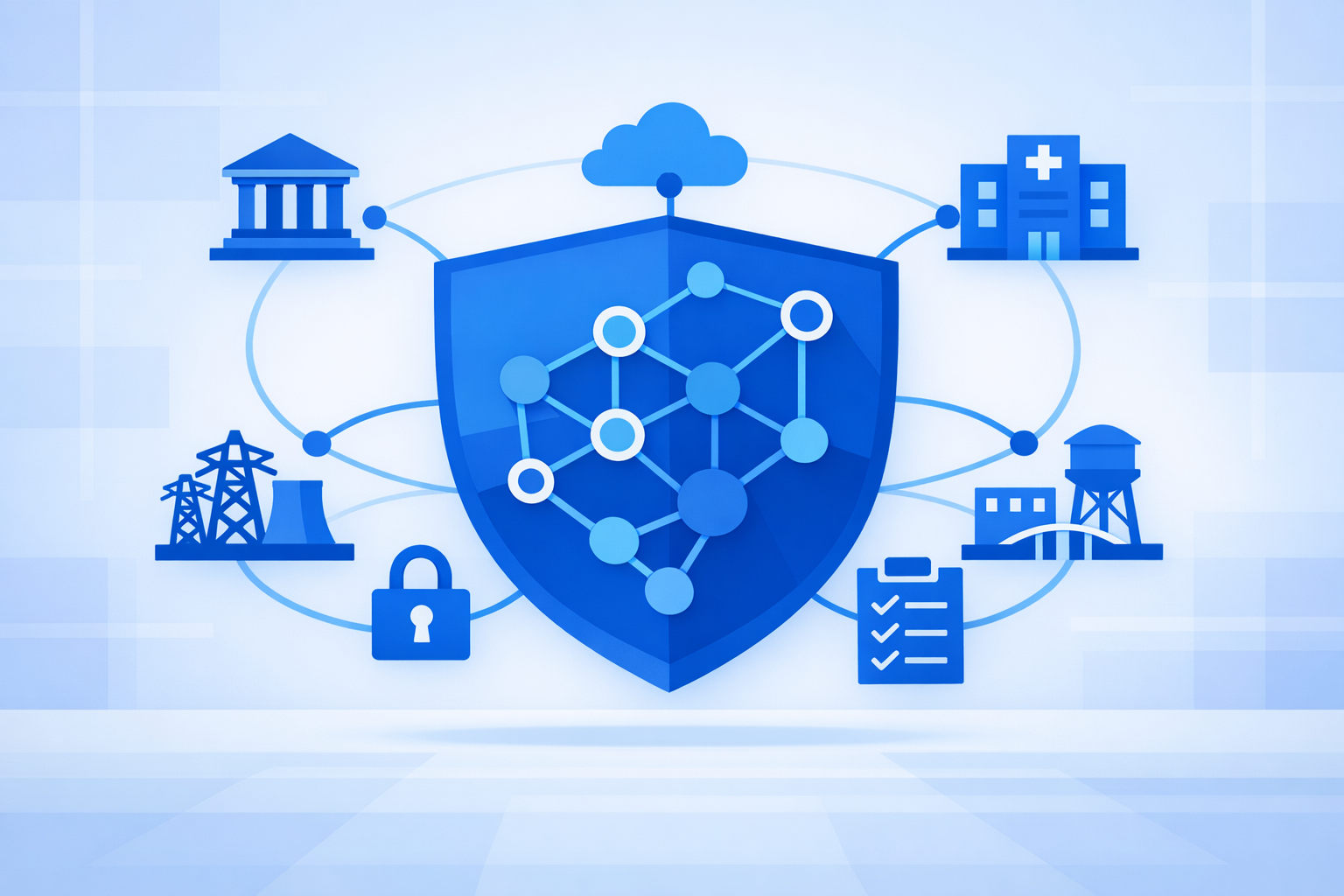
The regulatory environment is tightening in parallel. The EU AI Act is in active enforcement: prohibited practices have been subject to penalties since February 2025, with full requirements for high-risk AI systems taking effect in August 2026 and fines reaching up to 7% of global annual revenue. According to Secure Privacy research, 90% of enterprises now use AI in daily operations, yet only 18% have fully implemented governance frameworks.
No-code tooling compounds the problem. Shadow AI-AI embedded in vendor updates or deployed by business units without oversight-creates invisible risk. Contracts with AI-enabled software vendors should include provisions covering risk classification, documentation access, incident reporting obligations, and the right to audit automated decision logic.
Details
Vendors are moving quickly. At SAP Sapphire 2026, SAP positioned itself as the platform for enterprise autonomy, unveiling the SAP Business AI Platform-which unifies SAP Business Technology Platform, SAP Business Data Cloud, and SAP Business AI-alongside the SAP Autonomous Suite, which includes more than 50 domain-specific Joule agents. SAP also announced new Joule Assistants designed to orchestrate dozens of agents for end-to-end HR processes, serving as the primary interface with Joule Agents that sense changes and automatically coordinate actions across HR workflows.
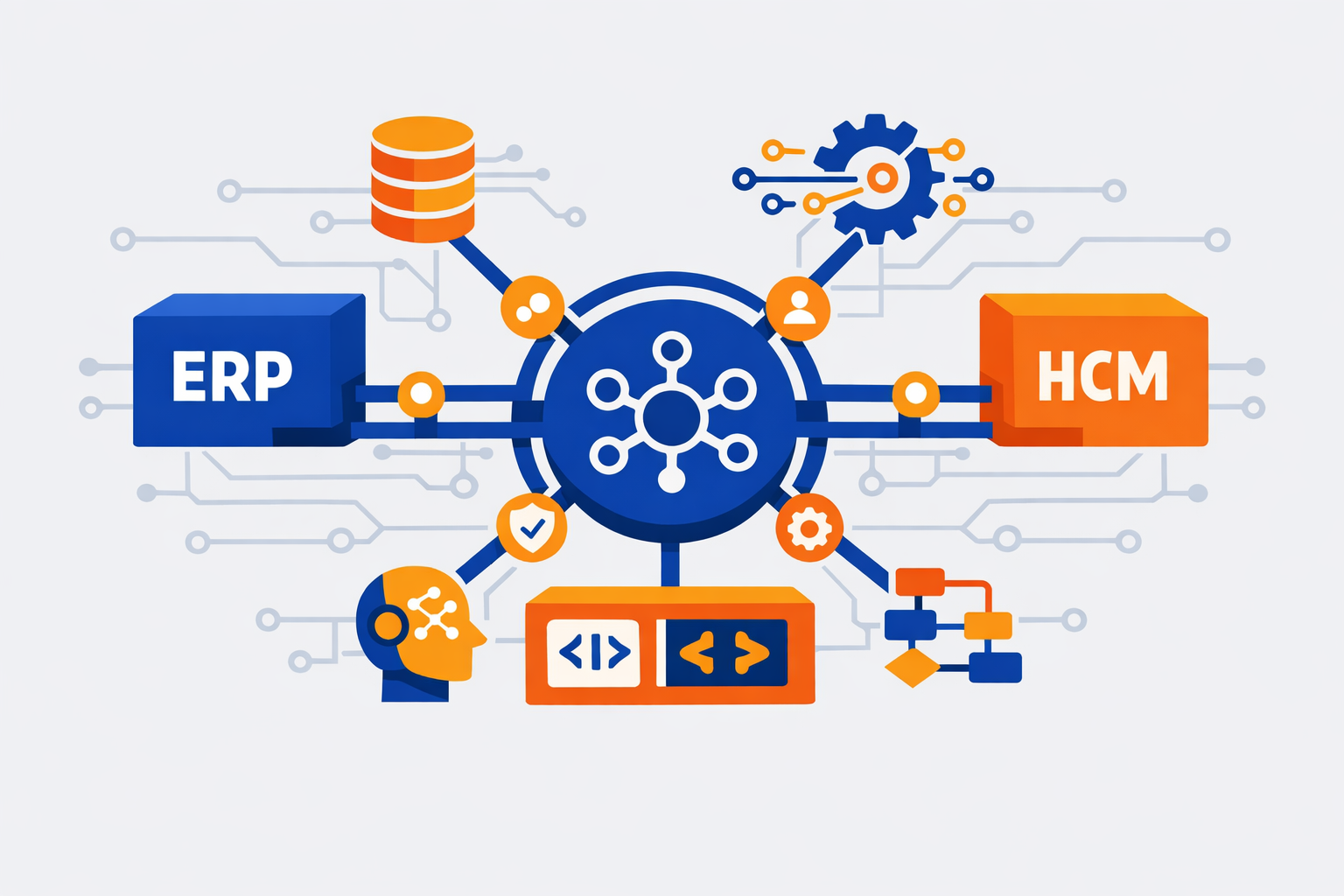
Interoperability is emerging as the central technical challenge. Enterprise vendors are introducing Model Context Protocol (MCP) servers to enable AI agents to operate across platforms without vendor lock-in. In December 2025, Anthropic donated MCP to the Agentic AI Foundation (AAIF), a directed fund under the Linux Foundation co-founded by Anthropic, Block, and OpenAI. SAP has developed its own cross-platform standard: Joule's bi-directional Agent-to-Agent (A2A) capabilities are planned for general availability in Q4 2026, enabling third-party agents to securely invoke Joule Agents within enterprise processes and extending interoperability across SAP and non-SAP environments.
Oracle has pursued a parallel strategy at scale, embedding over 600 Oracle AI agents-including 400 in Fusion Apps and more than 200 in industry applications-across Fusion Cloud ERP, SCM, HCM, and CX.
Governance controls within these platforms vary considerably. IBM watsonx Orchestrate is built around explainability by design, with every agent decision traceable to the underlying data, rules, and model reasoning. Role-based access extends into the AI layer in leading ERP platforms, ensuring that AI actions align with corporate security policies and that agentic AI systems meet compliance and security requirements for mission-critical operations. However, analysts warn that standard compliance certifications alone are insufficient. ISO/IEC 42001 has become the de facto AI governance standard for enterprise procurement.
Gartner predicts that 40% of enterprise applications will include task-specific AI agents by the end of 2026, up from less than 5% in 2025. A further Gartner finding underscores the governance urgency: a survey of 360 organizations conducted in Q2 2025 found that organizations with AI governance platforms in place were 3.4 times more likely to achieve high governance effectiveness than those without.
Security researchers have also flagged risks inherent to the interoperability protocols themselves. In April 2025, researchers published an analysis identifying multiple outstanding security issues with MCP, including prompt injection, tool permissions that enable data exfiltration through tool combination, and lookalike tools that can silently replace trusted ones.
Outlook
The August 2026 deadline for EU AI Act compliance on high-risk AI systems is concentrating vendor roadmaps. Half of enterprise ERP vendors are projected to introduce autonomous governance modules combining explainable AI, automated audit trails, and real-time compliance monitoring.[1] CIOs with global responsibility should require vendors to demonstrate risk classification and lifecycle controls as part of routine due diligence. The practical imperative for IT governance teams and data stewards is clear: CIOs who succeed will know where AI is deployed, manage risk across the lifecycle, and produce compliance evidence without scrambling-a baseline that regulators and enterprise boards increasingly demand before permitting agentic AI to scale.