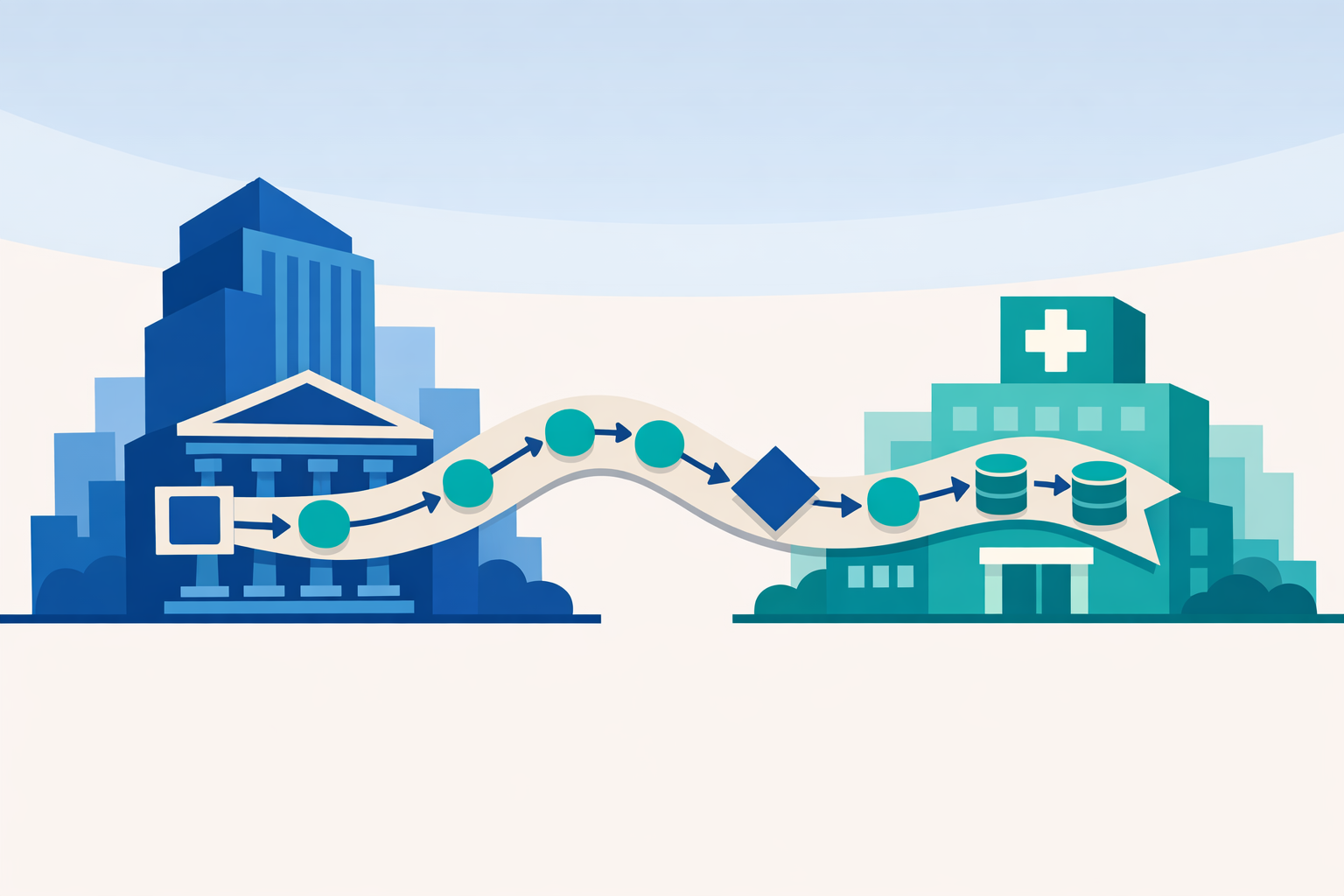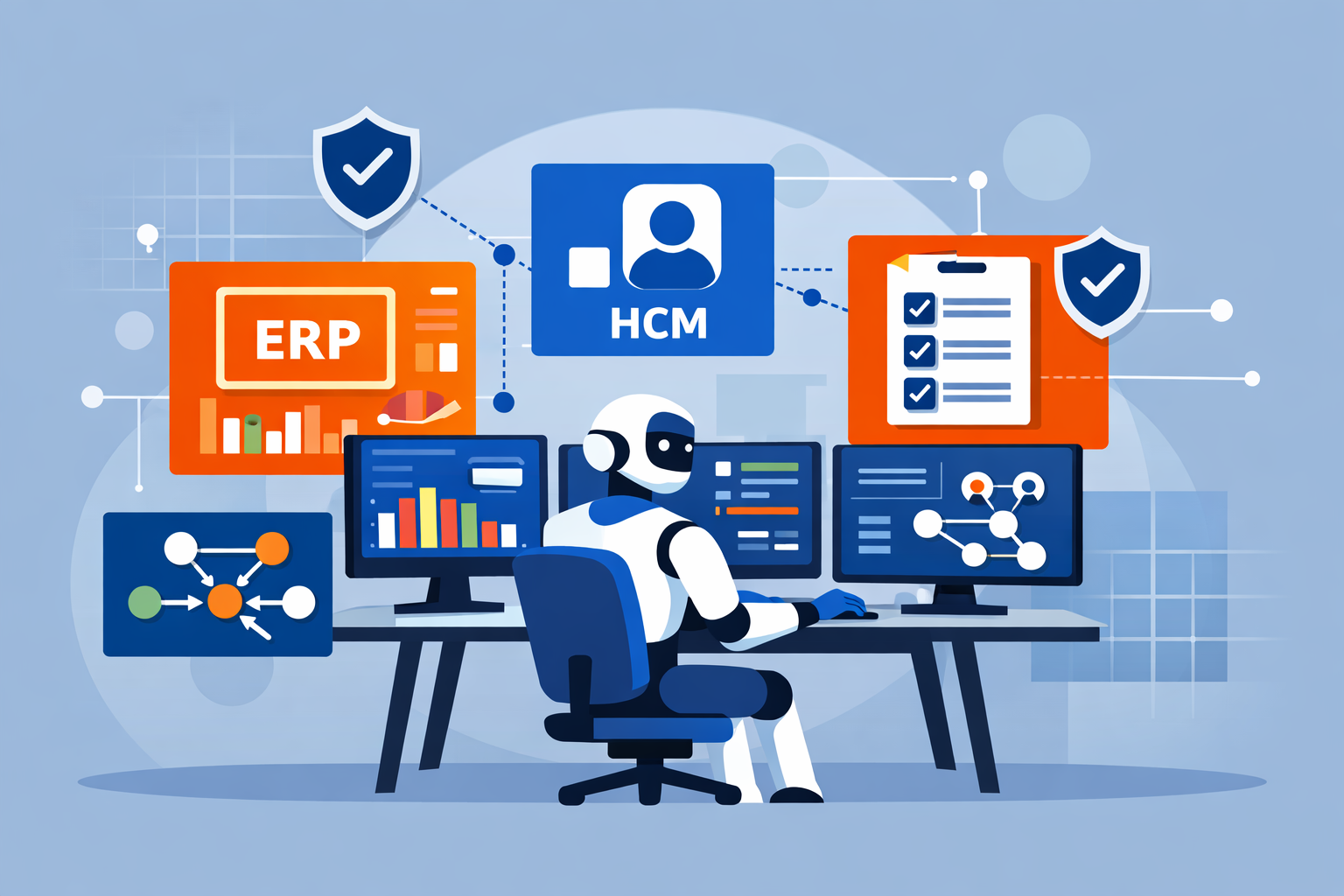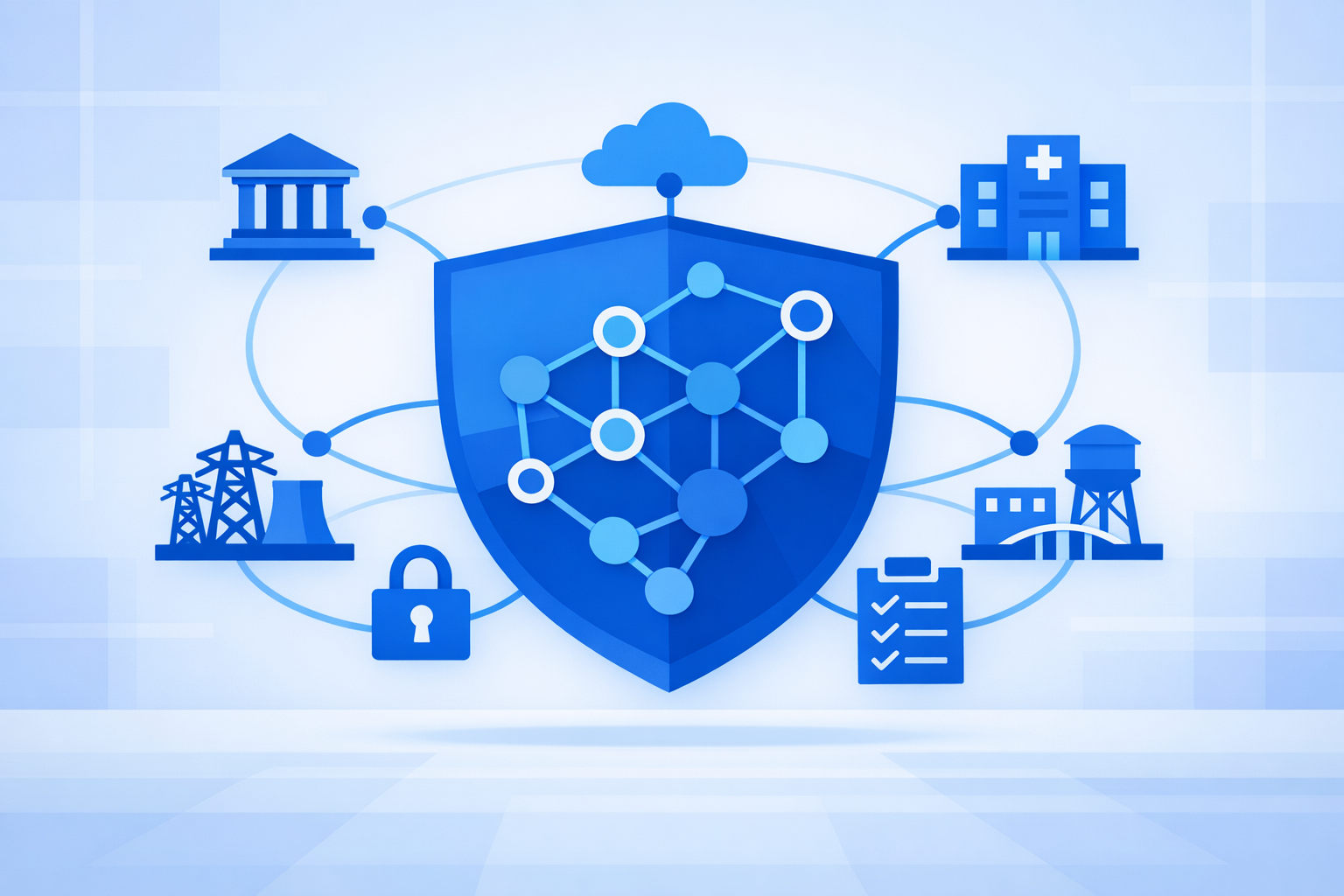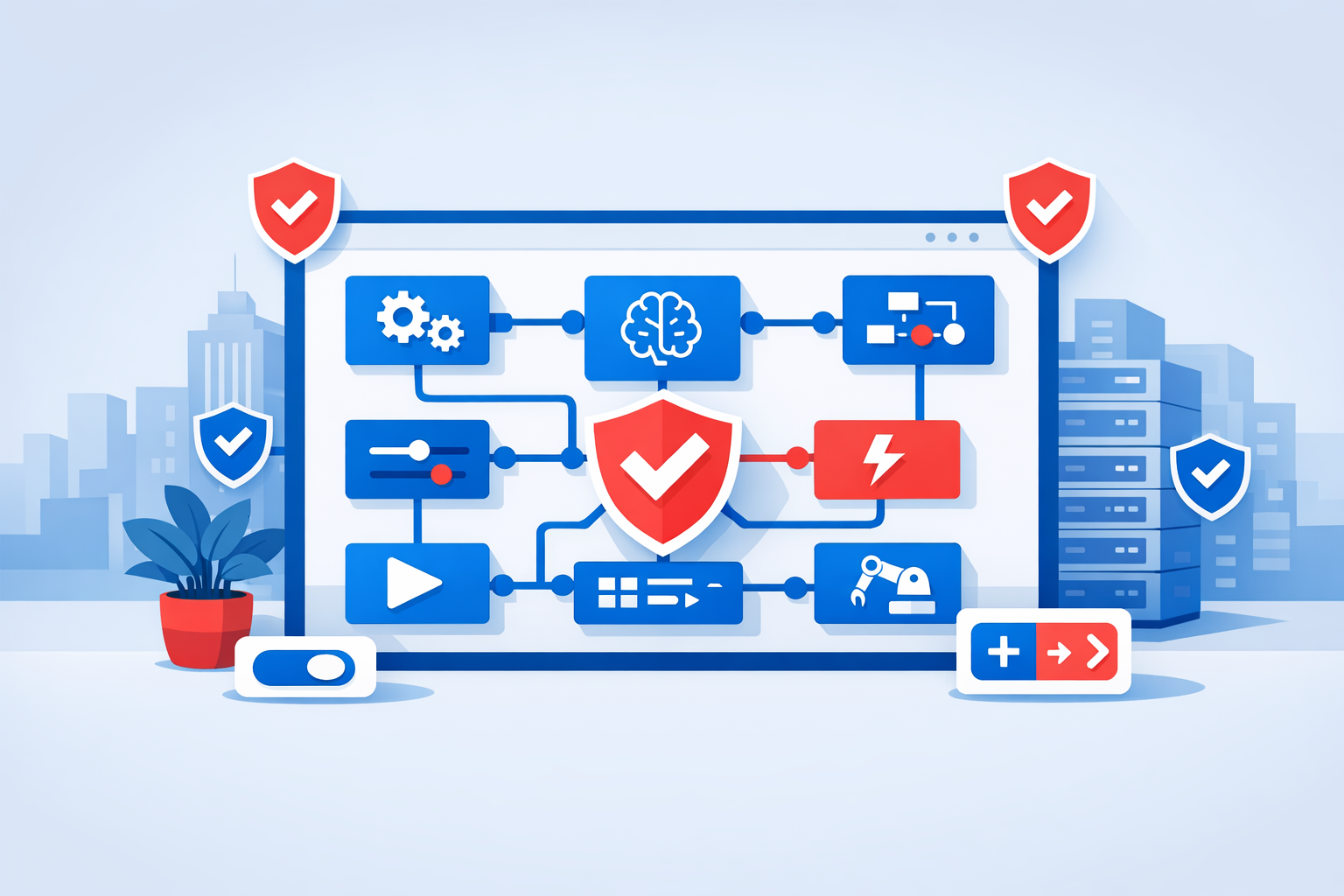
Major enterprise software vendors have embedded no-code and low-code AI workflow capabilities directly into their platforms, pairing them with built-in governance and security controls - a move analysts say is designed to close the persistent gap between AI pilot projects and enterprise-wide production deployment.
Background
The impetus for this shift is well-documented. A March 2026 survey of 650 enterprise technology leaders found that 78% of organizations had at least one AI agent pilot running, but only 14% had successfully scaled an agent to organization-wide operational use, according to Digital Applied. The barrier is rarely the underlying technology. Research from Omdia found that 39% of organizations cited security and governance compliance as the primary reason AI initiatives stall, ahead of implementation cost (37%) and a shortage of AI talent (30%).
The pilot-to-production problem also has a financial dimension. A 2025 study from MIT's NANDA initiative found that approximately 5% of AI pilot programs achieved rapid revenue acceleration, with the vast majority delivering little measurable impact on profit and loss. According to McKinsey's State of AI 2025 report, roughly 62% of organizations are still experimenting with AI agents, while only about 23% report scaling them in production environments.
Governance deficits compound the problem. Deloitte's 2026 State of AI in the Enterprise report, based on a survey of 3,235 senior leaders, found that only one in five companies has a mature governance model for autonomous AI agents.
Platform Announcements and Details
Vendors have moved to address these gaps with a wave of product launches and integrations over the past twelve months.
ServiceNow introduced its AI Control Tower and AI Agent Fabric at its annual Knowledge event in May 2025, giving organizations a centralized system to govern, orchestrate, and scale AI agents across business functions. ServiceNow and Cisco subsequently deepened a partnership to integrate Cisco's AI Defense into the AI Control Tower, with the stated aim of delivering unified governance, stronger security, and reduced operational risk when scaling AI adoption. The Control Tower also includes a value dashboard that monitors AI adoption, performance, and return on investment in real time.
At Microsoft Ignite in November 2025, ServiceNow announced a further integration with Microsoft Agent 365, connecting copilots, agents, and data across Microsoft 365 and the ServiceNow AI Platform to enable what the companies described as "comprehensive visibility, compliance, and control."
UiPath took a parallel approach through its orchestration layer. The company launched its next-generation UiPath Platform for agentic automation on April 30, 2025, designed to unify AI agents, robots, and people on a single intelligent system with open and secure orchestration at its core. At its FUSION conference in September 2025, UiPath expanded the platform with case management and process apps in Maestro, giving business users real-time visibility into workflows through intuitive dashboards to manage approvals, escalations, and interventions. UiPath also introduced Autopilot for Maestro, enabling teams to describe a workflow in plain language or upload existing diagrams, with the system generating an executable process model directly.
On the Microsoft side, Power Automate's 2025 Release Wave 1 expanded the platform to over 1,000 certified connectors spanning Microsoft 365, Dynamics 365, Azure, Salesforce, ServiceNow, and SAP, with an Automation Center providing ROI analytics tied to individual workflow runs.
The broader market underscores the commercial opportunity behind these announcements. The global enterprise workflow automation market in the low-code category was valued at $23.77 billion in 2025 and is projected to reach $37.85 billion by 2030, at a compound annual growth rate of 9.52%, according to Mordor Intelligence. According to Gartner, organizations that adopt low-code and no-code development report 50-70% faster development cycles compared with traditional software methods.
Interoperability is becoming a competitive differentiator. In December 2025, Workday acquired Pipedream, a developer-oriented integration platform with over 3,000 connectors, with the stated intent of building an end-to-end AI agent development stack within the Workday ecosystem.
Outlook
Vendor consolidation around governed, no-code AI workflows signals a market shift from feature competition toward platform standardization. IBM projects that AI-enabled workflows will grow from 3% to 25% of enterprise processes by end-2025, while Gartner estimates that 40% of enterprise applications will embed AI agents by 2026, up from less than 5% at the time of the forecast. For CIOs evaluating procurement decisions, the key question shifts from whether a platform supports AI to whether its governance controls are sufficient for production deployment at scale - and whether policies can be enforced across vendor boundaries without custom integration work.