Notion's expansion into a full AI agent orchestration platform this week crystallized a broader industry movement: productivity and knowledge-work software vendors are repositioning as cross-tool automation hubs, while regulators and enterprise buyers push governance and interoperability to the front of procurement decisions.
Background
Notion launched its developer platform on May 13, 2026, introducing Workers-a hosted runtime for custom code-alongside an External Agent API that lets teams connect third-party agents, including Claude Code, Cursor, Codex, and Decagon, directly into the Notion workspace. According to TechCrunch, the move represents a strategic shift from application to programmable platform, positioning Notion to compete with dedicated workflow automation vendors.
The pivot follows rapid product evolution. Notion launched its first AI agent capabilities in September 2025 with Notion 3.0, which the company described as a rebuild of its AI layer into autonomous, multi-step agents capable of operating across pages, databases, and connected tools. Custom Agents-team-wide AI teammates that run on schedules or triggers-became generally available for Business and Enterprise plan customers, with pricing moving to a credit-based model on May 4, 2026.
The broader market context is equally significant. A spring 2025 survey by MIT Sloan Management Review and Boston Consulting Group found that 35% of respondents had already adopted AI agents, with another 44% planning to deploy the technology imminently. The same research found that leading enterprise software vendors-including Microsoft, Salesforce, Google, and IBM-are embedding agentic AI capabilities directly into their platforms.
Details
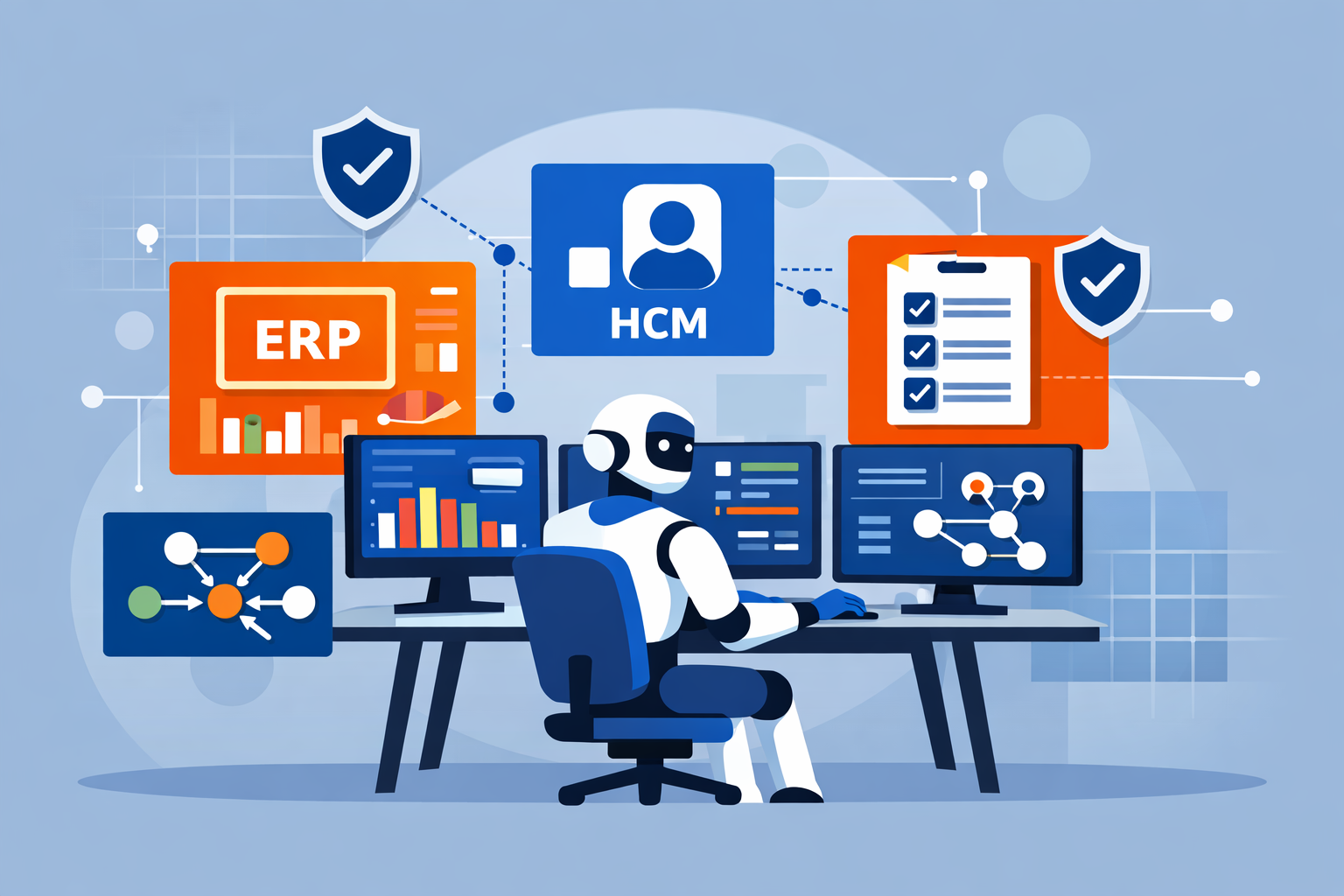
Notion's platform expansion illustrates the architectural convergence underway across the enterprise software market. By building an orchestration layer that coordinates AI work across multiple tools and data sources, productivity platforms are encroaching on territory previously held by specialist workflow vendors. Notion's Workers runtime allows teams to deploy custom logic to secure sandboxes without relying on external infrastructure, with webhook triggers enabling event-driven automation.
Governance controls are becoming a key competitive differentiator. Notion's enterprise administrator controls include per-agent permission scoping, creation controls, full run logs, and real-time credit monitoring, with the ability to disable any agent immediately. The company also confirmed that it does not train AI models on customer content and that Enterprise customers receive zero data retention.
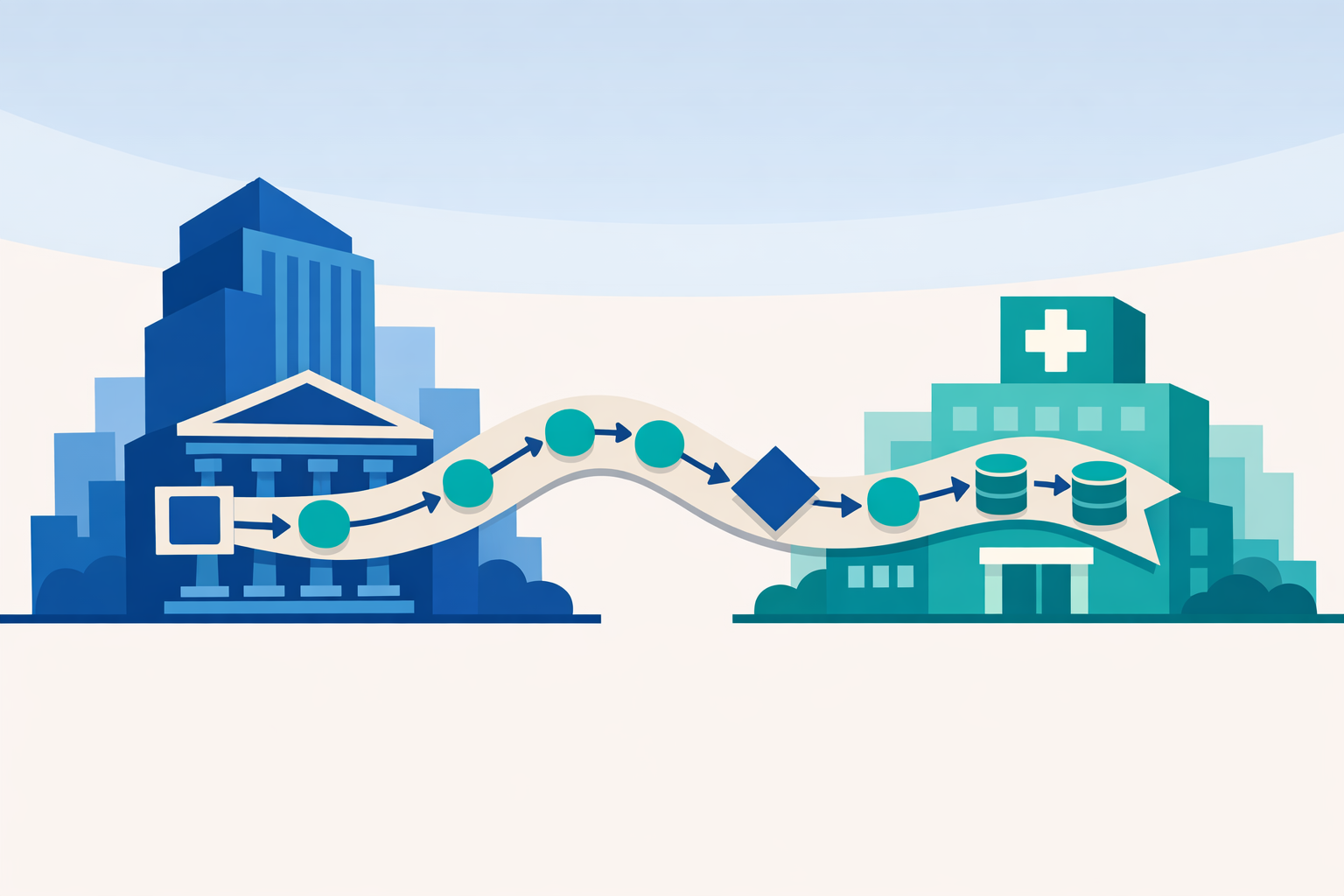
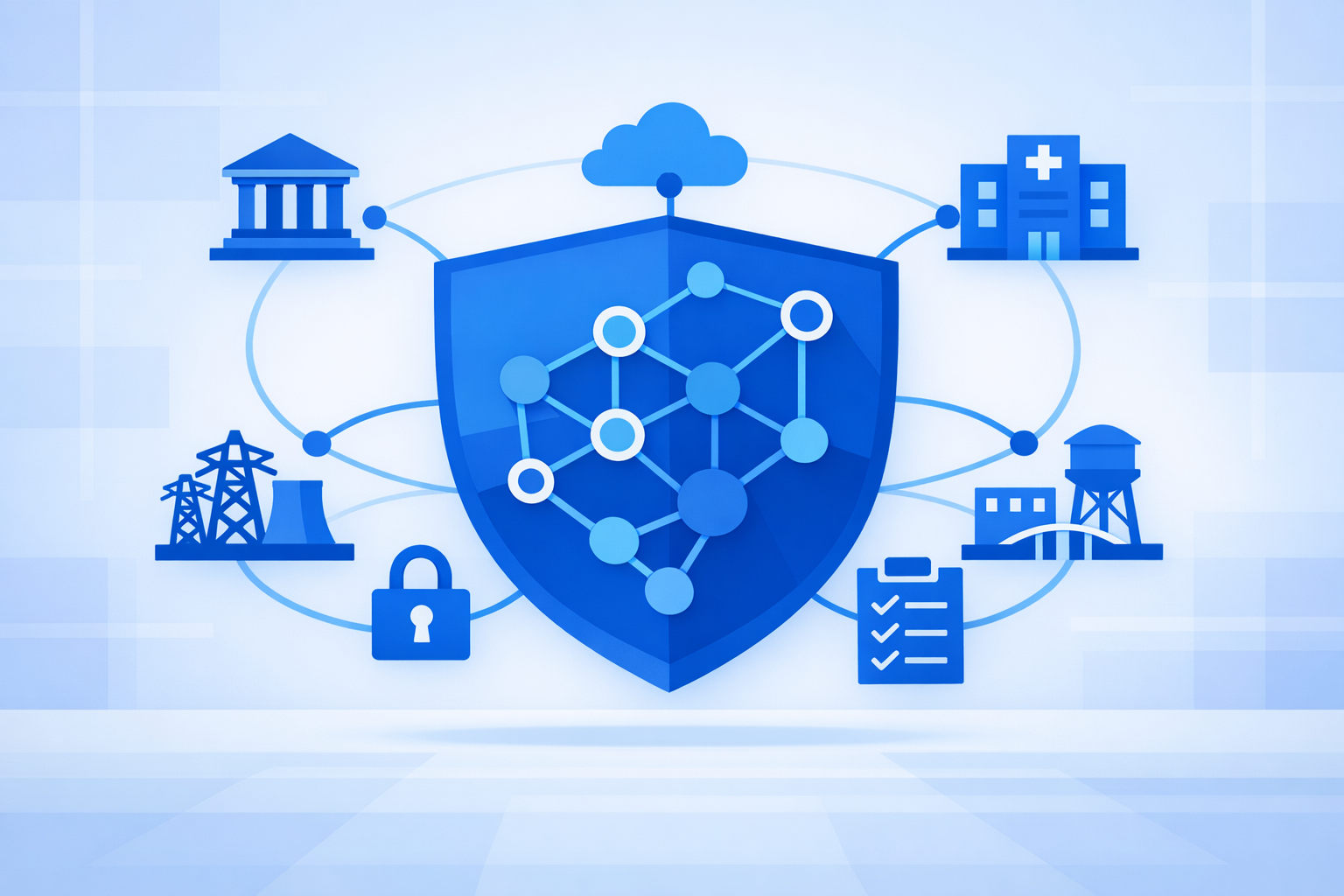
Sector-specific requirements, however, raise the bar considerably. In regulated industries-financial services, healthcare, and government-agentic AI must operate under strict guardrails: every action requires an audit trail, role-based permissions govern data access, and AI systems must be able to explain their decisions. According to a 2025 Government Accountability Office review, fewer than 20% of surveyed federal agencies had implemented comprehensive AI governance frameworks, even as commercial AI agent deployment accelerates around them.
At the federal level, NIST's Center for AI Standards and Innovation launched an AI Agent Standards Initiative in January and February 2026 to develop interoperable and secure AI agent systems, covering governance and oversight controls, secure development lifecycle practices, monitoring, logging, and incident response. The initiative issued a Request for Information and scheduled sector-specific listening sessions for April 2026, targeting financial services, healthcare, and education.
Healthcare presents a particularly acute interoperability challenge. According to analysis published by Opala, interoperability standards such as FHIR are maturing in parallel with agentic AI adoption, and organizations with clean, connected, real-time data infrastructures are positioned to unlock the greatest AI benefits in 2026. A peer-reviewed paper in Blockchain in Healthcare Today noted that AI pilot projects in healthcare are converging into interoperable systems that now touch clinical workflows, payment rails, research pipelines, and patient-facing services.
Research from MIT Sloan underscores why implementation remains difficult regardless of platform maturity. A 2025 study examining AI agents in clinical settings found that 80% of implementation work was consumed by data engineering, stakeholder alignment, governance, and workflow integration-not prompt engineering or model tuning. MIT Sloan professor Kate Kellogg has noted that organizations need to treat monitoring as "a permanent operational expense," and that a governance board should be established at the organizational level to oversee accountability.
Outlook
According to a cross-industry analysis published by Yale's Chief Executive Leadership Institute in May 2026, 2025 was broadly characterized as "the year of Agentic AI," with 2026 marking the shift from capability demonstration to operational execution. The analysis noted that governance and regulatory policy are advancing more slowly than the technology itself, creating deployment risk for organizations without established accountability frameworks.
McKinsey's 2025 State of AI survey found that 88% of organizations regularly use AI in at least one business function-up from 78% the prior year-but only about one-third have begun scaling AI enterprise-wide. Enterprises that fail to establish interoperability standards, audit logging, and human oversight mechanisms before scaling agent deployments face compliance exposure in regulated verticals, while those that do stand to realize the structural efficiency gains that cross-platform orchestration promises.