Notion unveiled a dedicated developer platform on May 13, 2026, designed to transform its collaborative workspace into an orchestration layer for AI agents-enabling enterprises to connect custom code, external data sources, and third-party agent systems within a single governed environment.
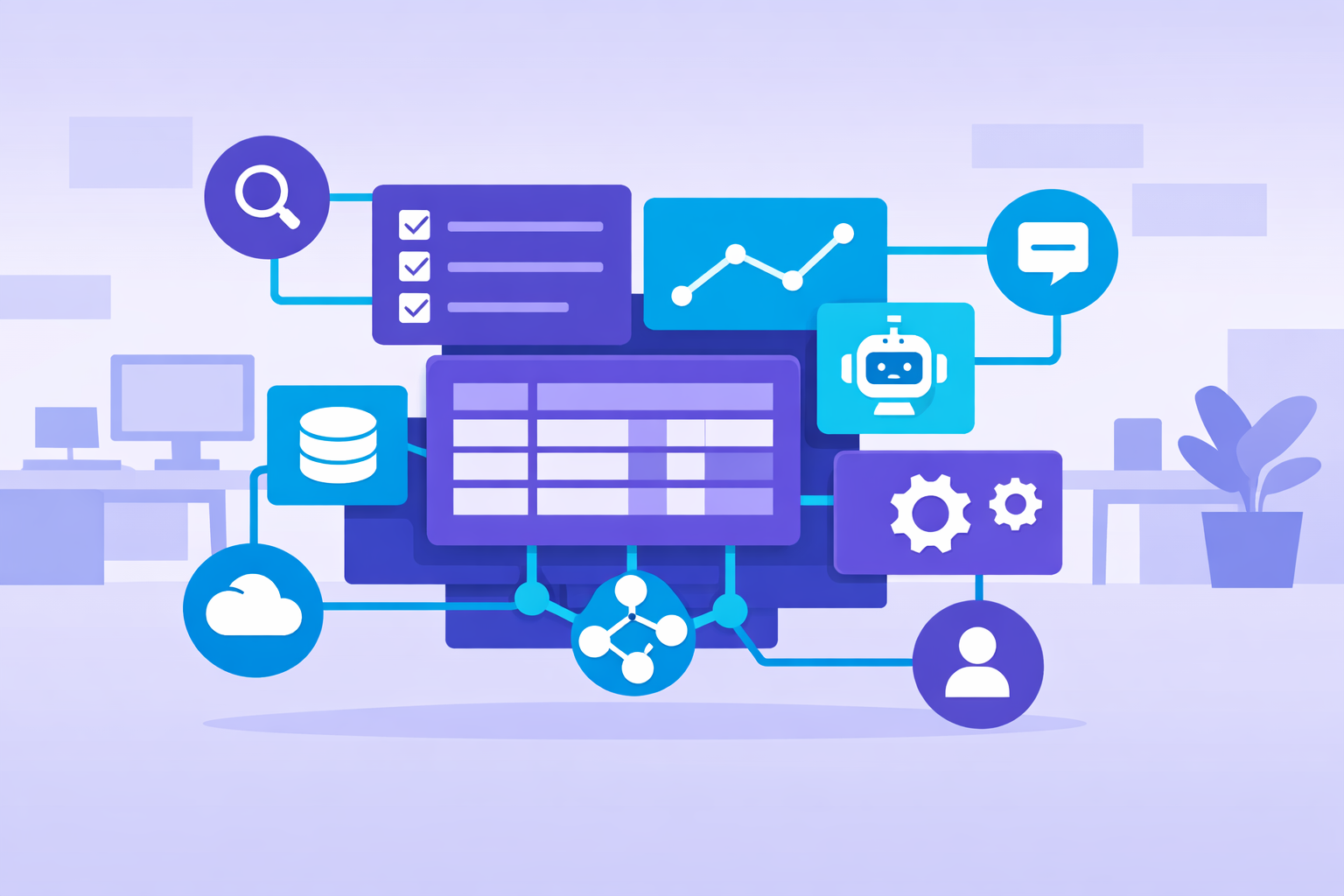
In a livestreamed product announcement, the company introduced the platform, which extends the capabilities of its custom AI agents, connects with external agents, and allows teams to build automated multistep workflows that pull data from any database. By building an orchestration layer-a system that coordinates AI work across multiple tools and data sources-Notion is positioning itself as a hub where people and agents collaborate across tools and databases.
Background
Notion launched Custom Agents in February 2026 to handle repetitive tasks such as answering FAQs and compiling status updates. According to the company, more than 1 million Custom Agents have been created since launch. However, those agents previously faced limitations, including the inability to connect with external data or execute custom logic, forcing teams to rely on third-party automation platforms or custom scripts.
The launch comes as enterprises experiment with agentic AI but struggle to give those systems access to work context spread across business applications and internal systems. According to Nitish Tyagi, senior principal analyst at Gartner, Notion's Developer Platform marks the company's entry into the emerging agent management platform market. Its agent orchestration, custom tool execution, and data integration capabilities position Notion as a workspace-centric control layer for AI agents.
Details
The platform introduces three core capabilities targeting enterprise integration and governance. The first is Notion Workers, a hosted runtime for custom code that allows teams to extend Notion without running their own servers. Developers and coding agents write the code, deploy it through the CLI, and run it in a secure sandbox. With Workers, developers can write custom logic, synchronize external data into Notion, create custom tools, and trigger automated actions through webhooks.
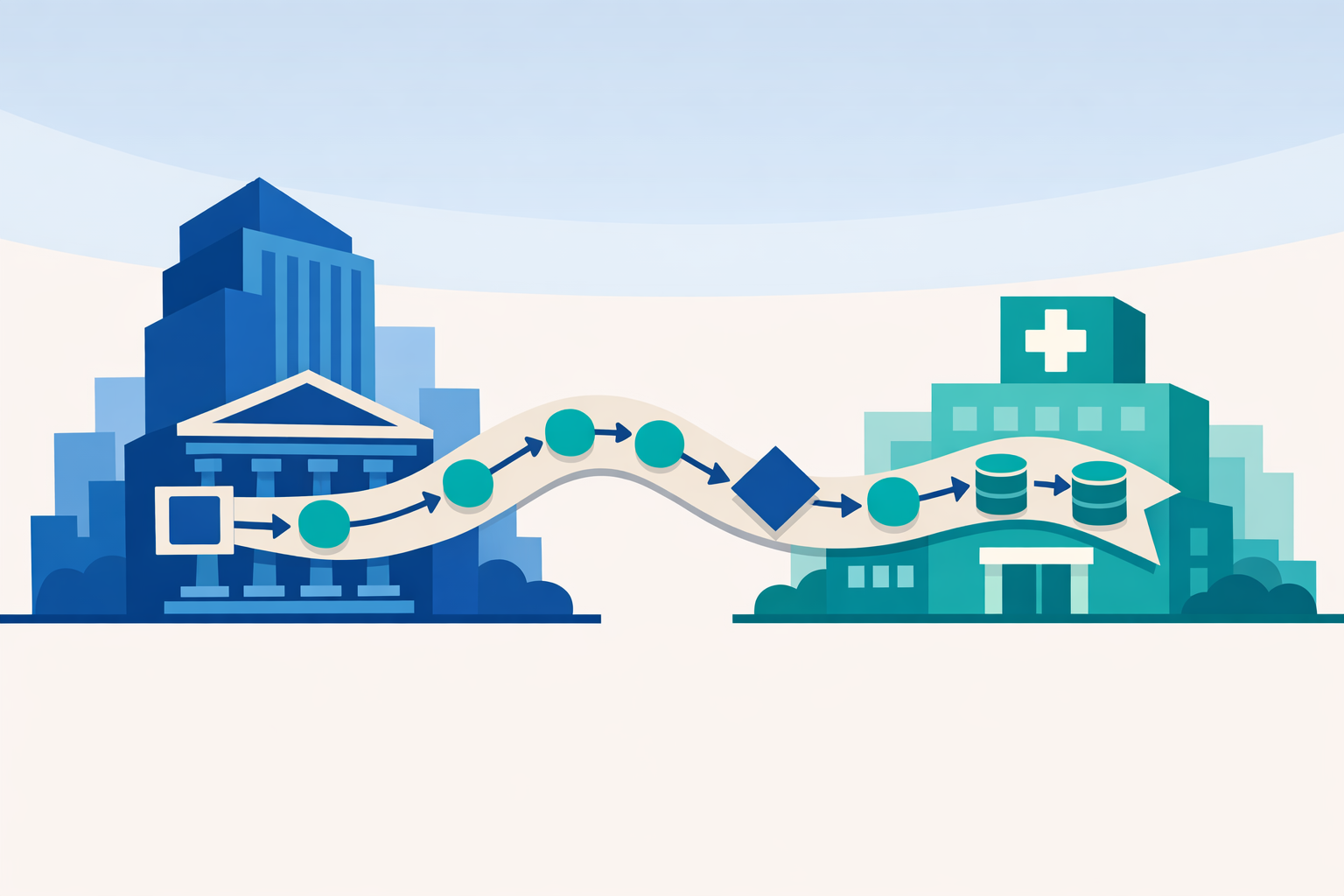
The second component targets data interoperability. Powered by Workers, the database sync feature pulls data from any database with an API-including Salesforce, Zendesk, and Postgres-and keeps that data current within Notion databases. The third component is the External Agents API. Currently in alpha, this API allows third-party and internally built agents to operate inside Notion; the company said it has partnered with Claude, Codex, Decagon, and others to make select agents available out of the box.
Notion's MCP (Model Context Protocol) integration now works with Meeting Notes and block comments, with creating and updating databases reported as 91% more token-efficient. The Notion API has also been updated so any workspace member can build connections-not just Workspace Owners-and now supports workspace-scoped OAuth and personal access tokens.
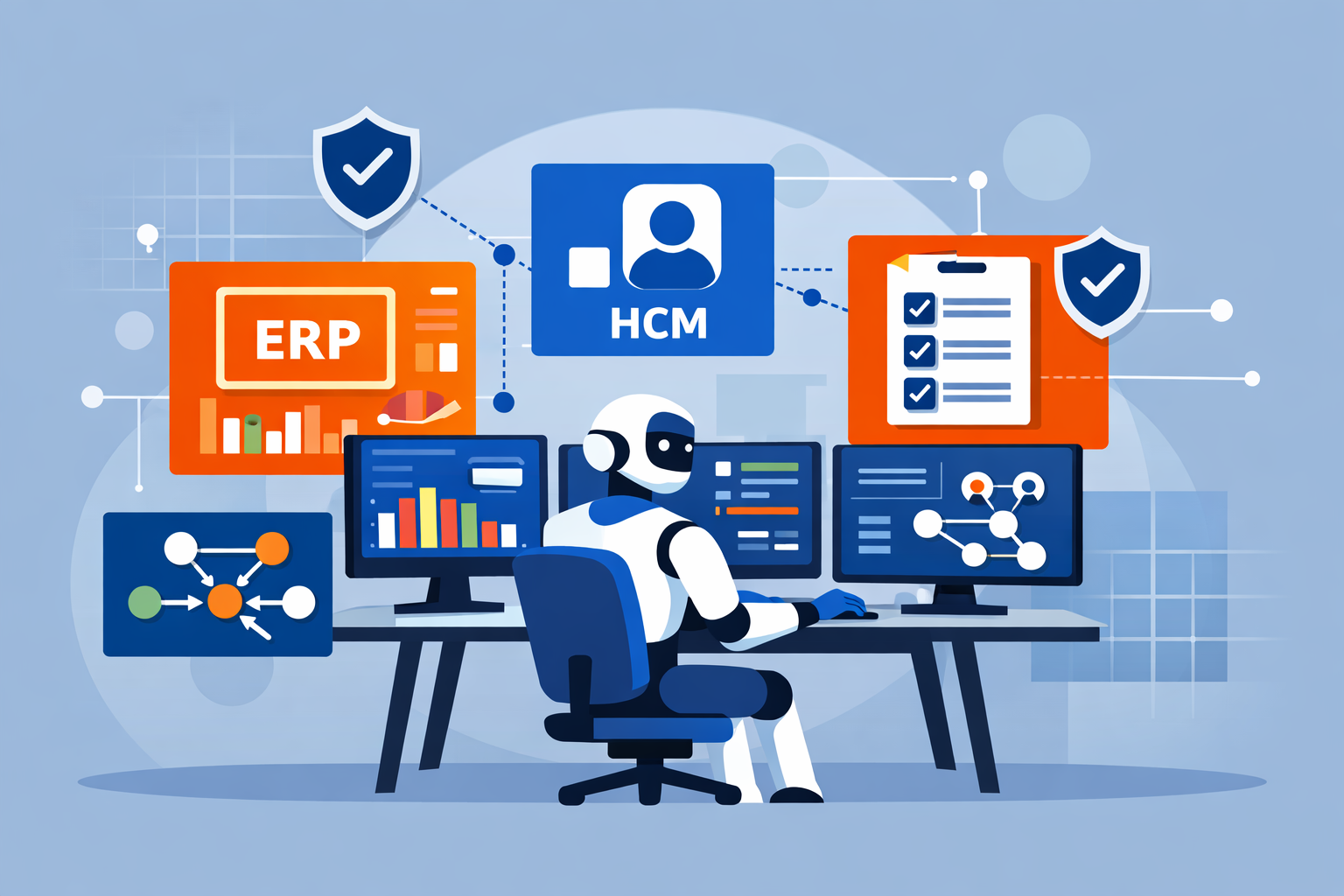
For enterprise governance, administrators can control exactly who creates agents by selecting individuals or user groups and can set per-agent credit limits. Enterprise customers planning broader rollouts can also set a single workspace-level credit limit that applies to all new and existing agents. The Notion credits dashboard displays total usage broken down by agent, along with spend trends and recent activity. Administrators can disable a misbehaving agent immediately before working with its creator to adjust it.
Regarding cost, Notion Workers will be free for developers through August 11, 2026, after which they will run on Notion's existing credit system. Interactions with the Developer Platform occur through the Notion CLI, a command-line tool available under Business and Enterprise plans.
Analyst reaction was measured. Tulika Sheel, senior vice president at Kadence International, described Notion Workers as sitting "somewhere between low-code automation and lightweight serverless infrastructure," noting that unlike Zapier or Airtable, Notion is trying to combine AI agents, custom code execution, and workspace collaboration into a single environment-though Microsoft Power Platform and cloud serverless offerings retain advantages in enterprise integration depth and operational maturity. Rivals including Atlassian, GitHub, JetBrains, and Tabnine are already pushing deeper into context, governance, and multi-agent orchestration, and Tyagi noted that "Notion's feature set is not fundamentally new."
Outlook
Analysts said the release gives Notion a larger role in enterprise software stacks, provided it can meet CIO expectations around governance and production use. The free Workers beta period through August lowers the barrier for IT and operations teams evaluating whether the platform can consolidate agent workflows currently spanning disparate tools. Whether automations stay inside Notion rather than spilling into separate workflow tools will serve as a practical enterprise test-particularly as Google Workspace's agent access pushes rivals to expose their own suites to AI agents.