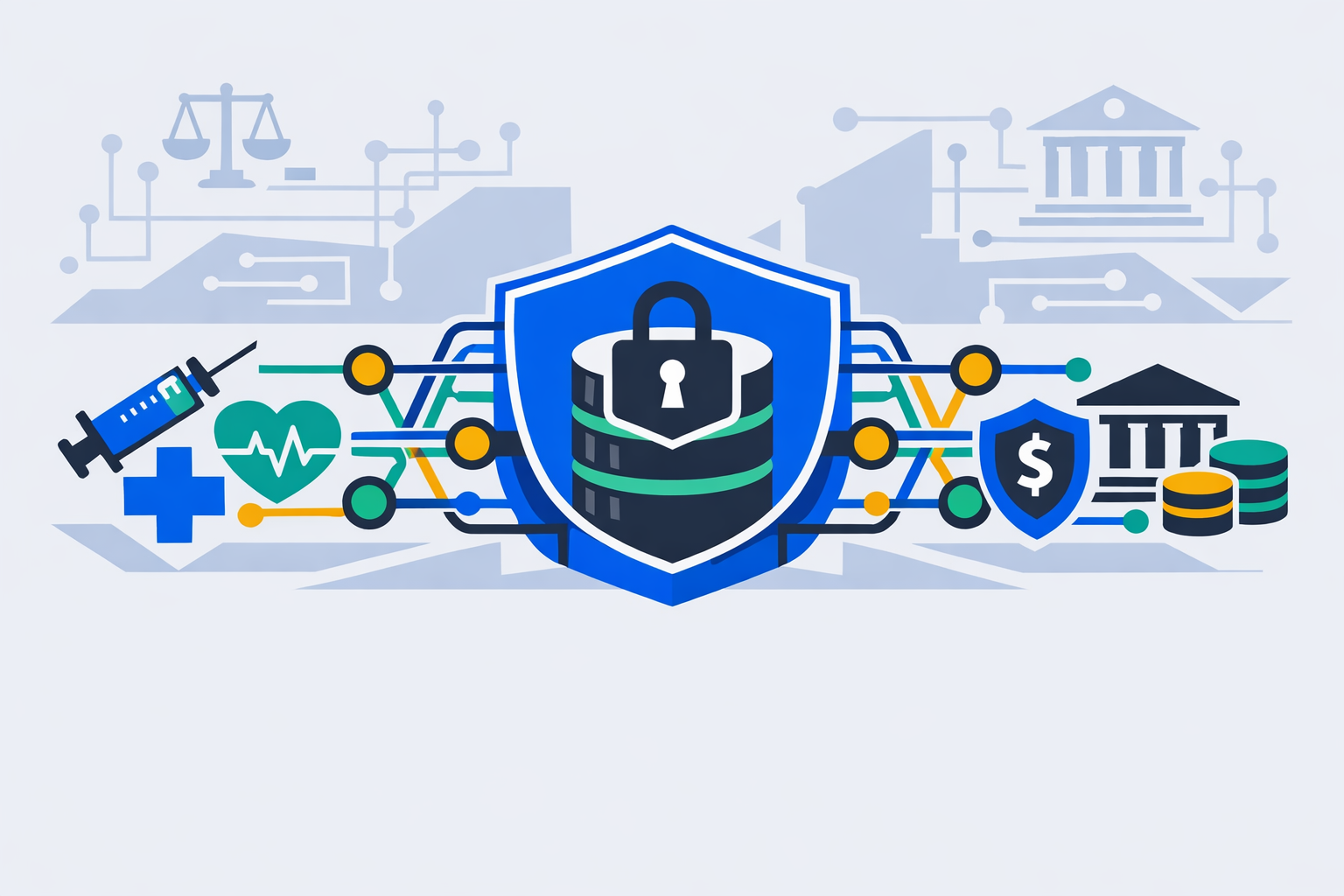
Healthcare systems and financial institutions are rapidly deploying data clean rooms as foundational infrastructure for governable AI, driven by tightening privacy regulations and the need to establish verifiable data provenance before training or running models on sensitive datasets. The shift marks a departure from ad-hoc data-sharing arrangements toward structured, multi-party computation environments designed to satisfy regulators, consent requirements, and internal risk frameworks simultaneously.
Background
The global data clean room platforms market stood at $1.36 billion in 2025 and is projected to reach $6.18 billion by 2032, growing at a compound annual growth rate of 24.1%, according to Stratistics MRC. While the technology was originally developed to support privacy-safe advertising measurement, healthcare and financial services are now among the fastest-growing verticals. Mounting regulatory pressure is pushing both sectors to formalize how sensitive data is combined, queried, and audited across organizational boundaries.
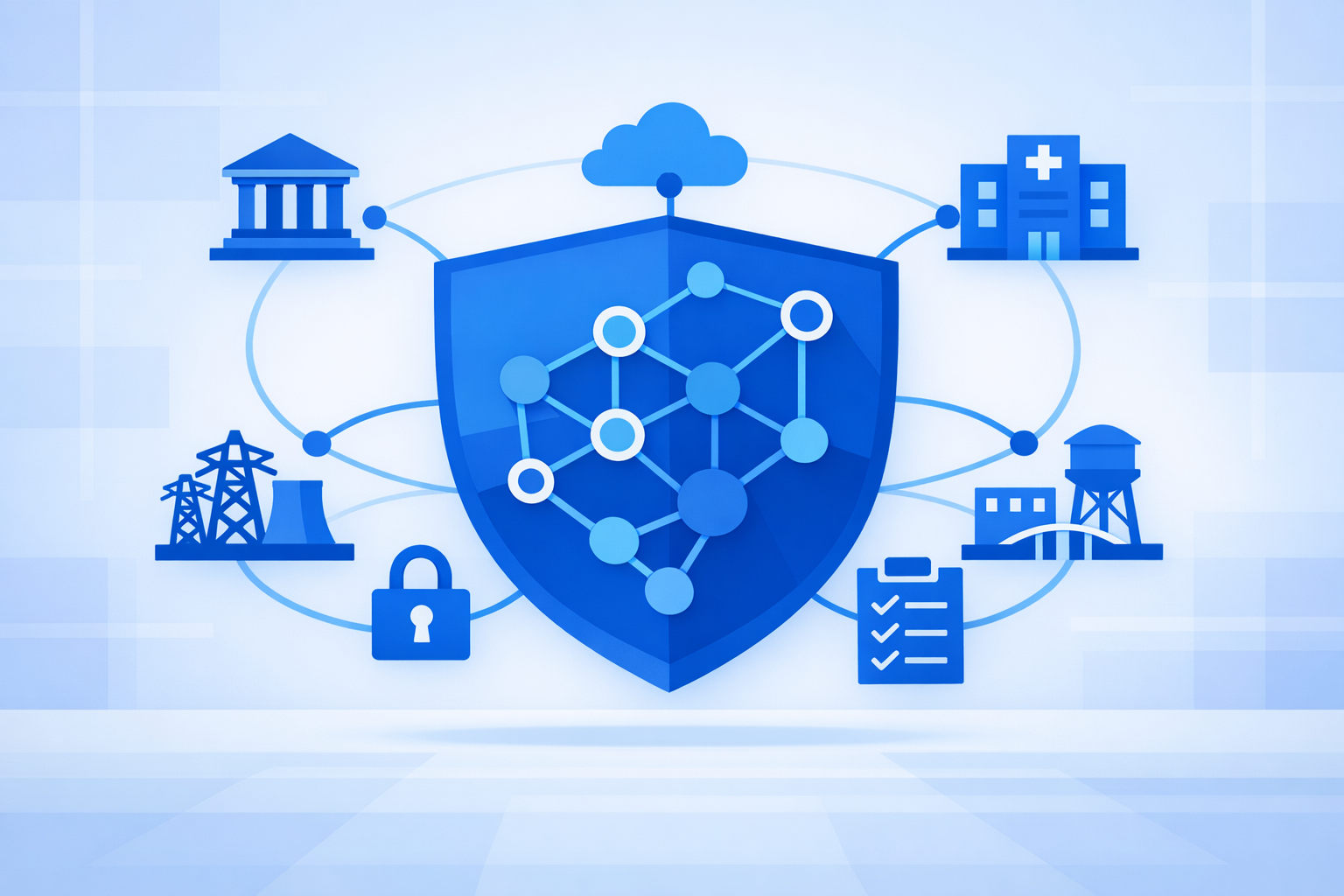
A data clean room is a secure, controlled environment in which multiple parties can perform joint analysis on combined datasets without any participant accessing another's raw records. Unlike a traditional data transfer, a clean room enforces constraints governing how data is shared, analyzed, and exported, rather than simply exchanging underlying data.[1] The objective is to prevent access to granular records while still enabling analysis-a distinction that matters acutely in industries where unauthorized disclosure of individual records triggers regulatory liability.
Regulatory tailwinds are substantial. Clean room technical architectures align with privacy-by-design principles articulated in GDPR Article 25, the CPRA's risk assessment requirements, and emerging AI Act obligations in Europe, positioning clean rooms as a strategic compliance investment rather than discretionary technology spend. In the United States, in late 2024, the Office for Civil Rights within the Department of Health and Human Services proposed changes to the HIPAA Security Rule that would strengthen requirements for contingency planning and security incident response. Separately, in 2025, the FDA's updated Real-World Evidence framework explicitly acknowledged privacy-preserving computation techniques, including clean rooms, as acceptable methods for generating regulatory submissions-a development expected to drive significant incremental investment in healthcare clean room infrastructure.
Details
In healthcare, primary use cases center on clinical decision support, population health analytics, and real-world evidence generation. Clean rooms allow organizations to contribute copies or views of data in accordance with their own governance principles, with no party able to see another's raw dataset, identifiers, or proprietary data. This positions institutions to collaborate on medical research, population health analytics, and clinical improvement while preserving patient privacy. Specific applications include:
- Cross-institutional research, in which hospitals pool data to detect treatment trends without transferring underlying records
- Clinical trial optimization, where pharmaceutical companies monitor efficacy signals using aggregated outputs without accessing raw patient data
- Precision medicine initiatives that unify genomic, clinical, and demographic data for more personalized therapies
Lee Kim, HIMSS senior principal for cybersecurity and privacy, described the clean room as a "force multiplier" for life science organizations, enabling them to bring together rich yet sensitive datasets spanning clinical records, real-world evidence, and genomic sequences. Brandon Reilly, partner and leader of the Privacy and Data Security Group at Manatt, Phelps & Phillips, noted that clean rooms are "both more efficient and more privacy protective" than traditional data-sharing methods.
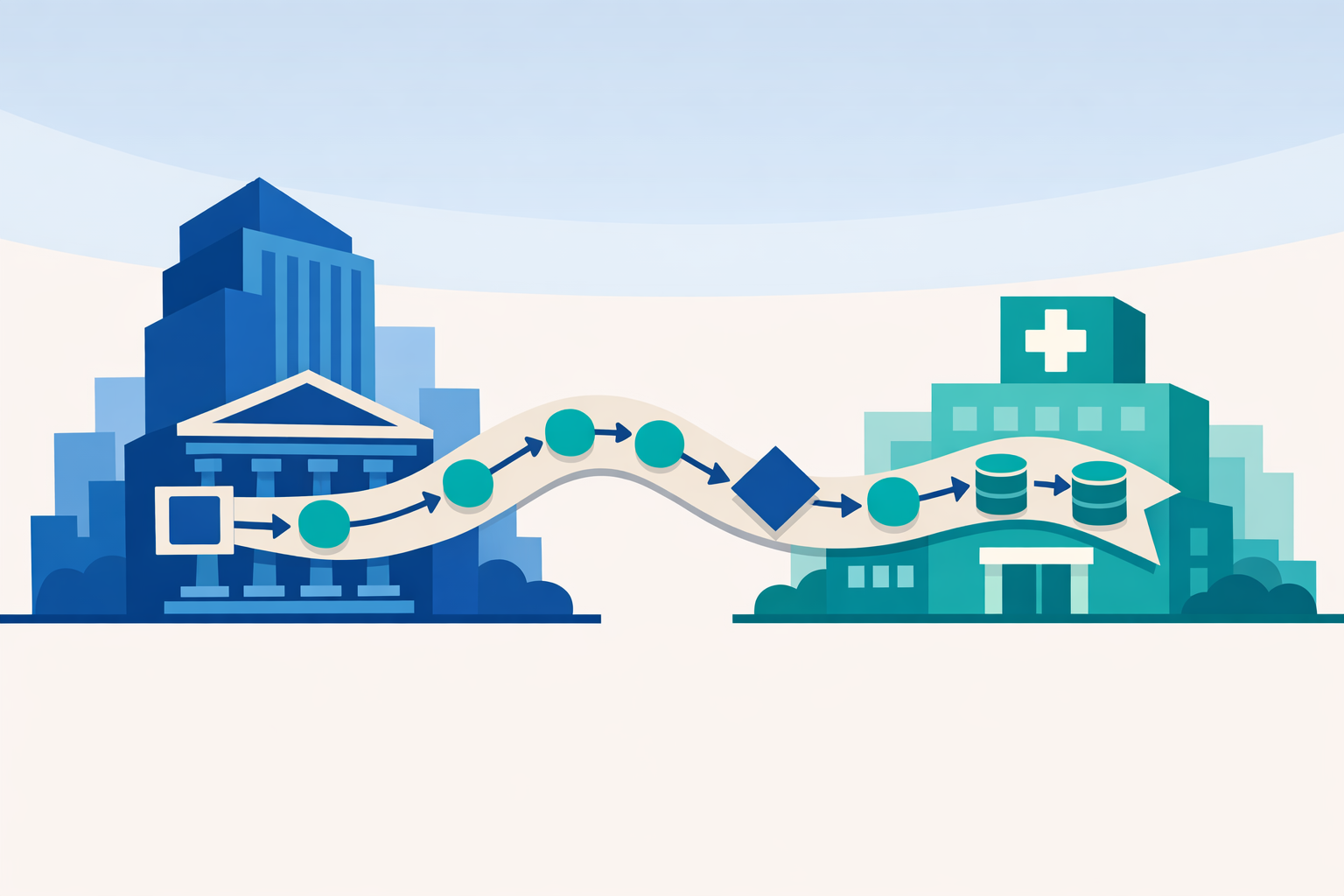
In financial services, the dominant use cases are fraud detection and credit scoring. Major banks and payment networks are deploying multi-party clean rooms that allow them to share transaction anomaly signals without exposing individual account data-a collaboration framework that could materially reduce global payment fraud losses estimated at over $35 billion annually. The BFSI segment captured approximately 12.4% of the data clean room market in 2025, with major banks deploying clean rooms for fraud prevention data sharing, marketing personalization, and ESG reporting data aggregation, according to Market Intel Research.
On the vendor side, hyperscalers dominate cloud deployments. Cloud-based clean room deployments accounted for 71.2% of market revenue in 2025, led by AWS Clean Rooms, Google Cloud, and Snowflake. Specialized providers such as Decentriq target regulated verticals directly, operating on a zero-trust model in which no participant must trust a third party with their data. Using confidential computing and encryption-in-use, these platforms ensure sensitive data is never exposed-not even to the platform provider-throughout its lifecycle from ingestion to analysis. Enterprises that have adopted clean rooms report an average 41% reduction in privacy incident response costs and a 28% reduction in data governance labor overhead, according to Market Intel Research.
Governance frameworks are proving as critical as the underlying technology. As Reilly noted, "data clean rooms do not magically make your data collaboration fully compliant"-clean rooms achieve compliance only if deployed properly, and the outcome depends heavily on the specific use case, the data involved, the privacy protections applied, and the contract terms negotiated. Granting more entities access to a clean room expands the perimeter requiring defense, making it essential for hosting organizations to vet partners' security practices, data governance policies, and storage and permission configurations.[2]
Outlook
IDC's FutureScape 2026 predictions project that by 2028, 60% of enterprises will collaborate on data through private exchanges or data clean rooms, with healthcare and financial services expected to account for a disproportionate share of that growth given their regulatory exposure. Industry observers note that 2026 will be a pivotal year for health systems moving from scattered AI pilots to governed deployment, with more than half of health IT leaders citing infrastructure and data governance-not AI tools themselves-as the primary barriers to adoption. The regulatory tailwind is expected to intensify through 2034 as digital service laws, data governance acts, and sector-specific healthcare and financial data rules continue to multiply globally.