The European Union has introduced a regulatory framework requiring detailed incident reporting for AI-enabled IT service management (ITSM) tools in regulated sectors, including financial services and healthcare. Effective August 2, 2026, the regulation mandates stringent practices for anomaly detection, real-time incident classification, auditability, and tiered compliance based on risk level. Providers must ensure incident traceability, model version control, and data provenance logs that are accessible to national authorities. The framework seeks to connect AI decision-making with human oversight and promote interoperability among enterprise systems.
Background
The AI Act (Regulation (EU) 2024/1689), in force since August 1, 2024, introduces a risk-based approach to regulating AI systems in the EU[1]. Article 73 requires providers of high-risk AI systems to report serious incidents to national authorities under specified deadlines: 15 days for most incidents, 10 days for incidents resulting in death, and 2 days for disruptions to critical infrastructure[2]. The European Commission published draft guidance and reporting templates on September 26, 2025; the consultation closed November 7, 2025. Final rules will become applicable on August 2, 2026[2].
Details
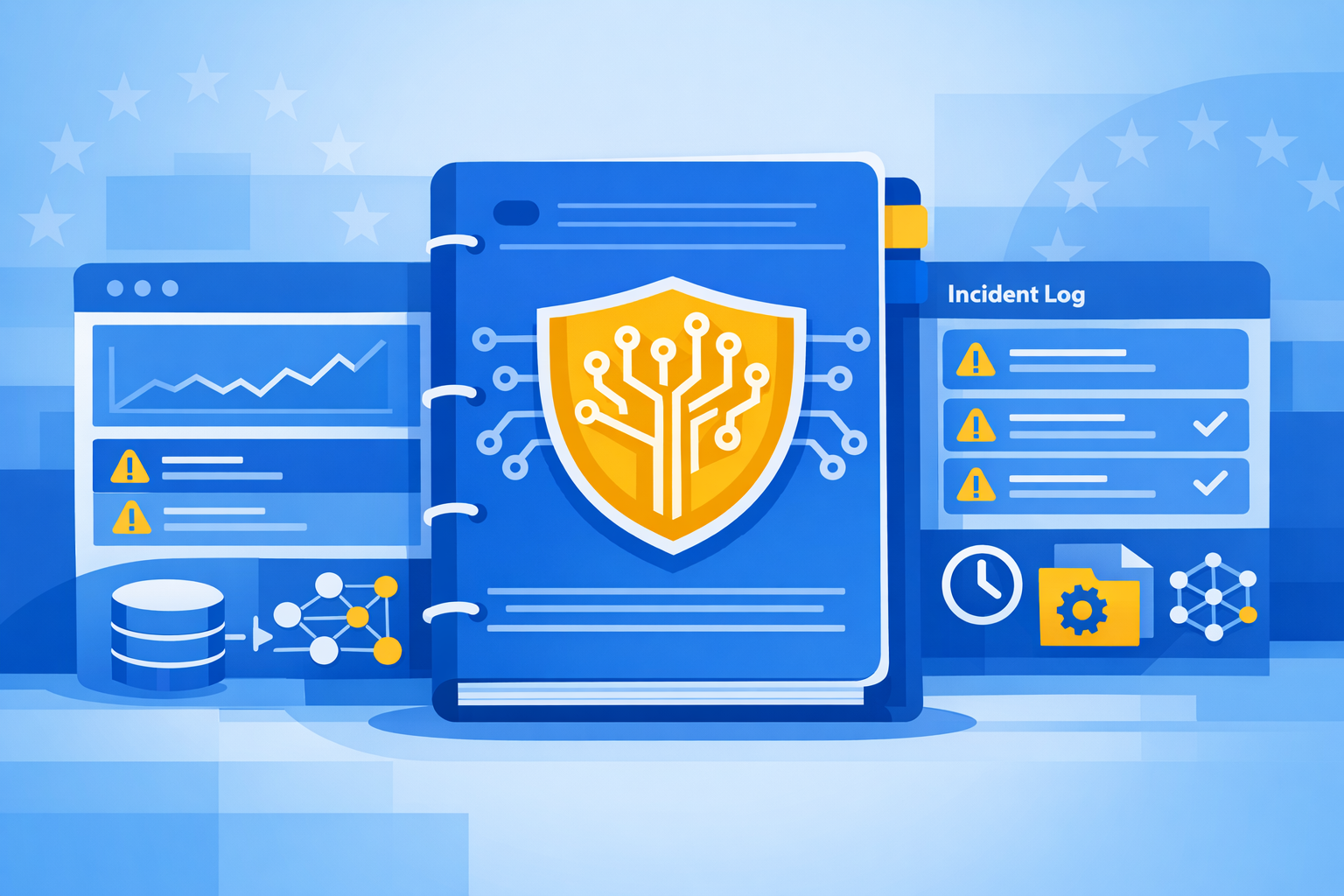
Under these standards, AI-enabled ITSM platforms in finance and healthcare must include real-time anomaly detection and automated incident classification. Platforms are required to maintain audit trails that capture data sources, AI model versions, and rationale summaries, ensuring regulator access. Deployments classified as higher risk-such as those managing patient or critical financial data-face more frequent reporting and enhanced verification. These requirements align with the AI Act's quality management mandate in Article 17, which calls for documented procedures for post-market monitoring, incident reporting, and regulatory communication[3].
Industry groups have expressed cautious support for the framework. The Business Software Alliance has stressed the need for clear, proportionate incident reporting requirements to prevent overloading systems with minor alerts[4]. In parallel, large banks and hospital networks have begun updating AI governance policies, focusing on model management, data lineage, and incident response processes in preparation for compliance.
Outlook
With enforcement beginning August 2, 2026, enterprises must adjust ITSM tools to meet the EU's incident reporting obligations. Vendors are expected to deliver standardized APIs and governance solutions for automated audit-trail generation. For CIOs and digital transformation leaders, integrating AI governance throughout the ITSM lifecycle-from policy and design to operations-will be essential for compliance and uninterrupted service delivery.