Notion introduced a Developer Platform on May 14, 2026, transforming the collaborative workspace into a programmable orchestration layer where enterprise teams can deploy AI agents, execute custom code, and synchronize live data from external business systems.
The platform expands the capabilities of Notion's existing AI agents, enabling customers to build automated workflows, connect external AI systems, deploy custom code, and synchronize data from third-party databases directly into Notion workspaces. The announcement, made during a livestreamed product event, marks a deliberate shift from Notion's origins as a note-taking application toward what the company describes as core workflow infrastructure.
Background
Notion first launched Custom Agents in February 2026-AI teammates designed to handle repetitive tasks such as answering frequently asked questions and compiling status updates. Since then, customers have built over 1 million Custom Agents, according to the company. However, those agents carried significant architectural limitations. The initial version could not connect directly to external data sources or execute custom logic. Companies using outside AI agents also could not integrate those systems with their Notion environments, forcing teams to rely on third-party automation services or build their own bridging infrastructure.
The launch comes as enterprises experiment with agentic AI but struggle to give those systems access to work context spread across business applications and internal systems. It also follows the broader trend among AI companies moving beyond chatbots to offer agentic tools that can take actions across multiple software platforms.
Platform Details
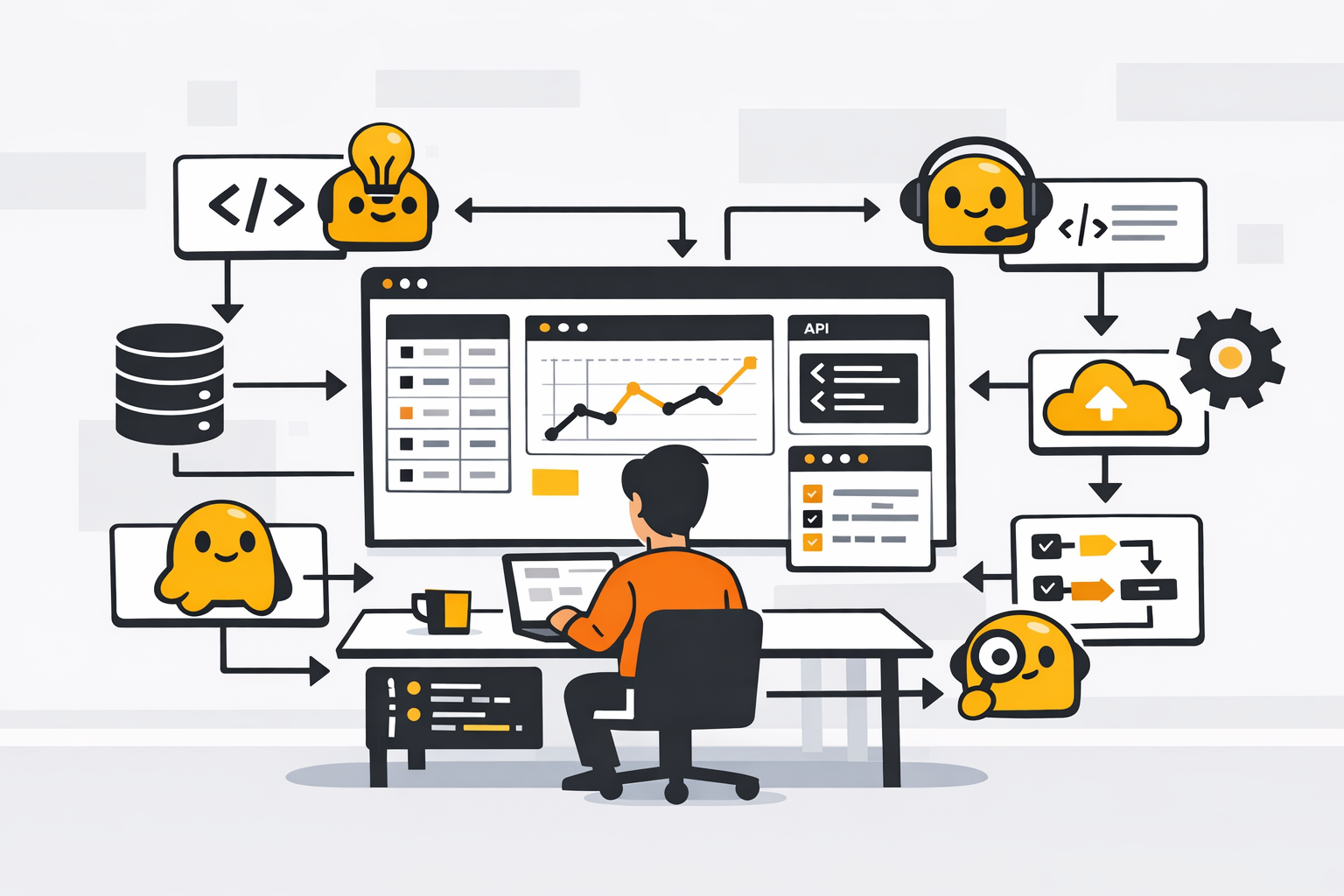
At the center of the release is Workers, a cloud-based execution environment that lets customers deploy custom code inside secure, isolated sandboxes. With Workers, developers can write custom logic, synchronize external data into Notion, create custom tools, and trigger automated actions through webhooks. The company said customers will not necessarily need to write code manually, as AI coding agents can generate the required code.
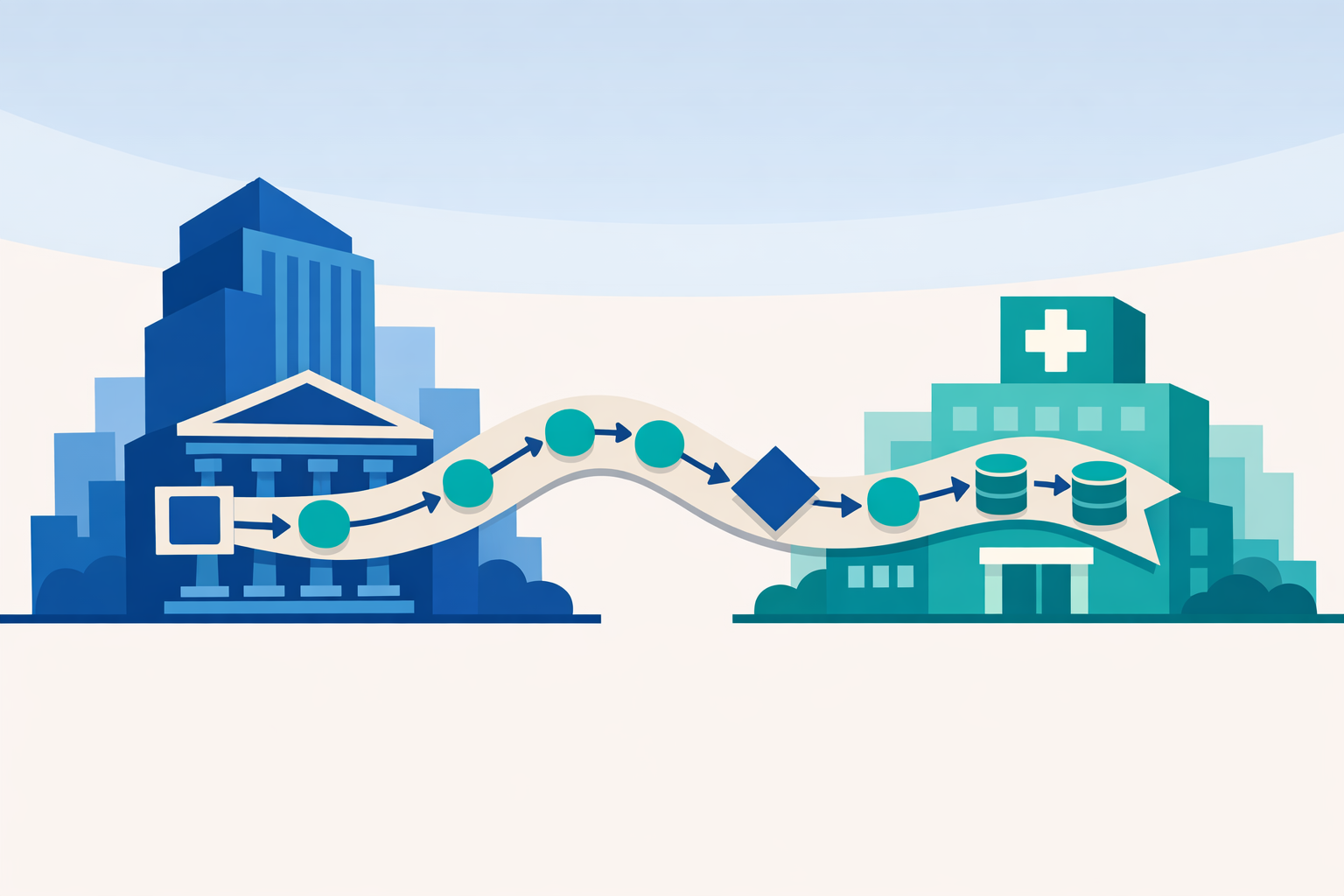
The database synchronization feature pulls in and keeps current data from systems such as Salesforce, Zendesk, and PostgreSQL. A separate addition allows users to chat directly with external AI agents, assign them work, and track their progress as if they were Notion's own custom agents. At launch, supported external agents include Claude Code, Cursor, Codex, and Decagon, with plans to expand the list.
For access control and governance, enterprise administrators can manage who is permitted to create Custom Agents and set per-agent credit limits with agent creators. Organizations on the Enterprise plan can also set a workspace-level credit limit that applies to all new and existing agents. Notion is adding workspace-scoped OAuth, personal access tokens, a dedicated developer portal, and rebuilt documentation alongside updates to its Model Context Protocol (MCP) support.
Workers will operate free of charge through August 11, 2026, after which usage will draw on Notion's existing credit system, according to the company. Interactions with the Developer Platform occur through the Notion CLI, available under Business and Enterprise plans.
"Any data, any tool, any agent-that's the big picture for the Notion Developer Platform," said Ivan Zhao, Notion co-founder and CEO, during the announcement.
Analyst Perspective and Outlook
Analyst reception was measured. Nitish Tyagi, senior principal analyst at Gartner, said the Developer Platform marks Notion's entry into the emerging agent management platform market, with its agent orchestration, custom tool execution, and data integration capabilities positioning Notion as a workspace-centric control layer for AI agents. However, Tyagi noted that rivals including Atlassian, GitHub, JetBrains, and Tabnine are already pushing deeper into context, governance, and multi-agent orchestration, adding: "Notion's feature set is not fundamentally new. The success of the platform will depend less on what it offers and more on how well these capabilities perform in practice."
The harder question for enterprise buyers is whether teams will trust a workspace vendor with increasingly operational responsibilities-an answer that hinges on reliability, governance, integration maturity, and pricing clarity. Notion has indicated it plans to expand the list of supported external agent partners beyond the four available at launch.