Banks and healthcare providers are increasingly deploying data clean rooms as foundational infrastructure for compliant AI development, driven by converging data privacy regulations and accelerating demand for cross-entity model training.
The global data clean room market was valued at $3.2 billion in 2025 and is projected to reach $18.6 billion by 2034, growing at a compound annual growth rate of 21.7%. Finance and healthcare are emerging as two primary drivers of that growth, as organizations in both sectors face mounting pressure to harness sensitive data for AI without triggering regulatory violations.
Background
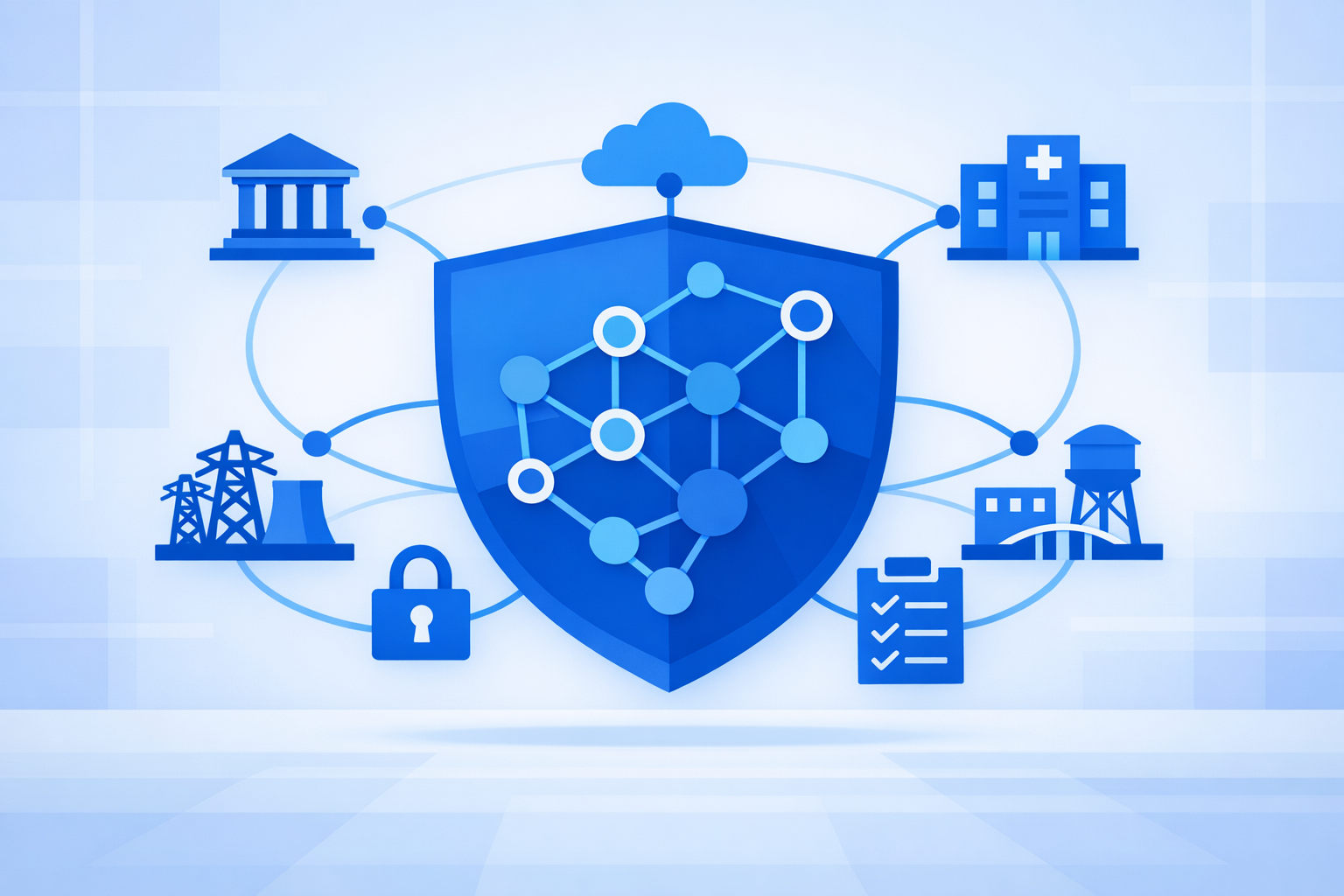
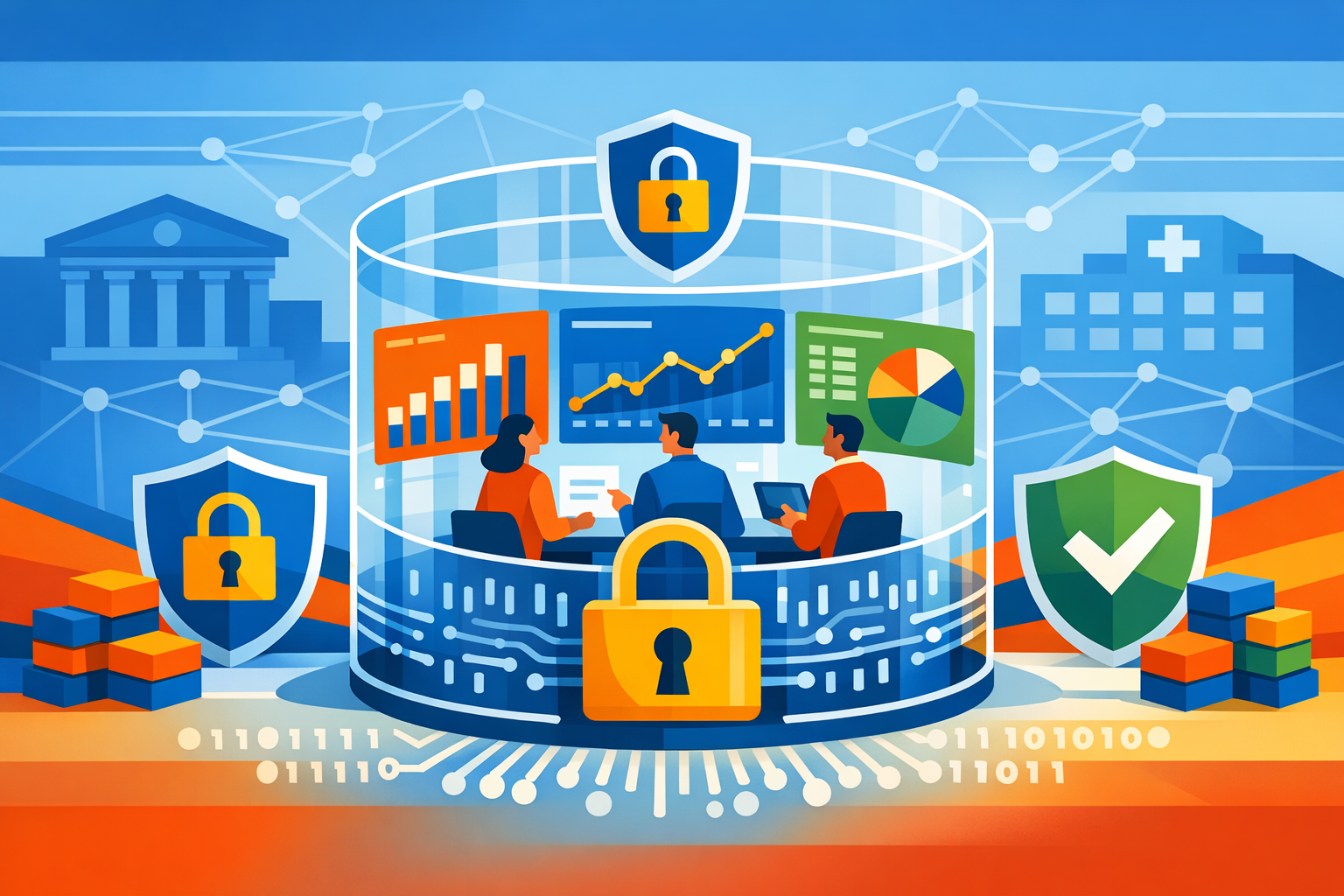
The architecture of data clean rooms - secure, isolated environments where multiple parties analyze jointly contributed data without any party accessing another's raw records - maps closely to compliance obligations imposed by HIPAA, GDPR, and the EU AI Act. These environments preserve each party's data ownership and operate under applicable privacy and data protection requirements. Rather than viewing raw data, participants see only aggregated outputs, statistical results, or privacy-preserving derivative information, according to Lee Kim, senior principal for cybersecurity and privacy at HIMSS.
Regulatory pressure is intensifying. In January 2025, the HHS Office for Civil Rights proposed the first major update to the HIPAA Security Rule in 20 years, citing the rise in ransomware. For organizations deploying AI in healthcare, these changes eliminate the distinction between required and addressable safeguards and introduce stricter expectations for risk management, encryption, and resilience. In parallel, the EU AI Act came into full force on August 2, 2025, with fines of up to €35 million or 7% of global annual turnover for non-compliance.
The alignment of clean room architectures with privacy-by-design principles in GDPR Article 25, the CPRA's risk assessment requirements, and emerging EU AI Act obligations positions clean rooms as a strategic compliance investment rather than a discretionary technology spend.
Details
Deployments in financial services are advancing rapidly. Databricks has demonstrated how two banks can collaborate on joint fraud detection using a data clean room to identify suspicious transaction patterns, securely bringing fraud detection models from various sources - including Snowflake - into a shared environment, then running agreed-upon analytics and sharing only approved results while maintaining robust data governance. Mastercard, which operates across 210 countries with 3.5 billion cards in circulation, uses Privacy Enhancement Technologies (PETs) within Databricks Clean Rooms to dynamically govern privacy and confidentiality based on collaborators, regionality, data types, and specific use cases.
In healthcare, clean rooms enable multi-stakeholder collaboration on clinical research. Organizations can work together on medical research and population health analytics while preserving patient data privacy. HIMSS describes clean rooms as a "force multiplier" for life science organizations, bringing together rich yet sensitive data sets spanning clinical records, real-world evidence, and genomic sequences. Databricks extended HIPAA compliance features to its Clean Rooms platform in 2025, making it suitable for healthcare organizations processing sensitive patient data.
The vendor ecosystem serving these sectors is stratifying by deployment model. On-premises clean room deployments retained a 28.8% market share in 2025, driven primarily by large financial institutions and healthcare organizations facing strict data residency requirements that preclude public cloud use. Vendors including Oracle, SAS Institute, and several specialized privacy-tech firms have developed on-premises clean room appliances to reduce the complexity of managing cryptographic key management and secure multi-party computation (SMPC) protocols. Cloud-native platforms - including Snowflake Data Clean Rooms, AWS Clean Rooms, and Databricks Clean Rooms - dominate deployments where residency requirements are less restrictive. Vendors such as Decentriq address the challenge of leveraging data insights from multiple sources while reducing unauthorized access risk, supporting industries with stringent privacy demands including finance, healthcare, and telecommunications.
Enterprises that have adopted clean rooms report an average 41% reduction in privacy incident response costs and a 28% reduction in data governance labor overhead, according to market research. However, compliance outcomes are not automatic. As practitioners note, "data clean rooms do not magically make your data collaboration fully compliant." Whether a deployment achieves compliance depends on the specific use case, the data involved, the privacy protections applied, and the contract terms negotiated.
Outlook
The regulatory tailwind for clean room adoption is expected to intensify through 2034 as digital service laws, data governance acts, and sector-specific healthcare and financial data rules continue to multiply globally. In financial services, AI-driven models for risk assessment, fraud detection, and credit scoring must satisfy Basel III, the Fair Lending Act, and SEC AI risk guidelines. In healthcare, compliance must address HIPAA, the EU AI Act, and FDA regulations governing AI-powered diagnostics and research applications. Enterprise architects and procurement leaders evaluating AI infrastructure increasingly treat clean room interoperability with semantic layers and existing data platforms as a key selection criterion alongside regulatory coverage.